••
Ghana Strengthens Health Sector Through Global Partnerships, Massive Screenings, and New Bilateral Agreements
•3 min read•15 sources
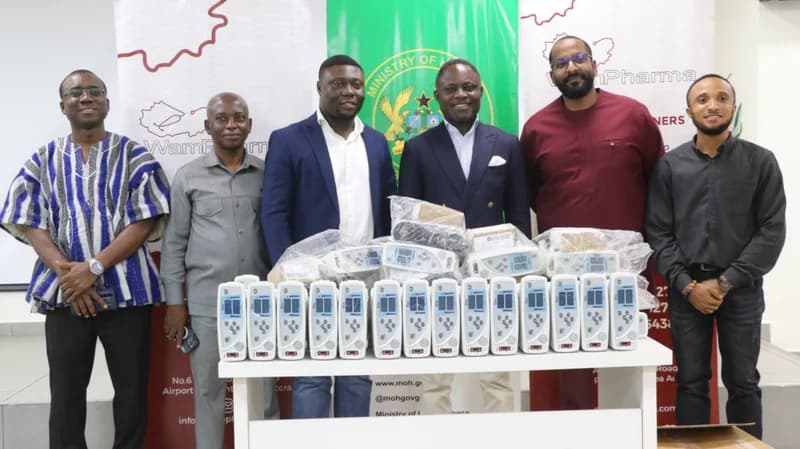
Ghana’s healthcare landscape is undergoing significant transformation through a series of international collaborations, infrastructure enhancements, and community-led interventions. A landmark bilateral agreement between Ghana and Jamaica will see the deployment of approximately 400 Ghanaian nurses to the Caribbean nation to bolster its healthcare system. This move, announced by Foreign Affairs Minister Samuel Okudzeto Ablakwa, follows the revitalization of the Ghana–Jamaica Permanent Joint Commission for Cooperation (PJCC) after 21 years of inactivity. The agreement highlights the growing global demand for Ghanaian medical expertise and encompasses broader cooperation in defense and tourism. Domestically, the Ministry of Health has received a major boost with a donation of advanced bedside pulse oximeters valued at over $100,000 from WAMPHARMA. Health Minister Kwabena Mintah Akandoh noted that the equipment, provided in collaboration with Masimo, will directly support the government’s Free Primary Healthcare initiative and significantly improve pediatric care outcomes nationwide.
At the community level, health authorities are intensifying efforts to promote early detection and preventive care. In the Ketu North Municipality, a partnership with Auburn University Outreach is facilitating a two-day free health screening at the Kuli CHPS Compound on June 2-3, 2026. The program offers comprehensive services, including blood pressure checks, blood sugar testing, and general medical consultations, with a specific focus on mothers and vulnerable populations. Meanwhile, a recent eye screening exercise in Wa conducted under the "Blissful Sight for Kids" project revealed a staggering statistic: of 1,123 schoolchildren screened, only 98 had normal vision. Dr. Zakarea Al-Hassan Balure and local authorities emphasized that the high prevalence of pathological conditions, refractive errors, and even cases of cataracts and glaucoma among students demands urgent and ongoing healthcare support to prevent long-term educational setbacks.
While infrastructure and screenings expand, medical professionals are also sounding the alarm on lifestyle-related health crises. Doctors at St. Martin’s Catholic Hospital in the Amansie South District have warned of a sharp rise in hypertension cases, which they attribute to the stress of mining activities, excessive consumption of energy drinks, and dangerous self-medication practices. They urged the public to reduce salt and sugar intake and seek regular medical checkups rather than over-the-counter remedies. These clinical concerns are being met with increased private philanthropy; for instance, Dr. Matthew Opoku Prempeh recently donated essential medical equipment to the children’s wards at Komfo Anokye Teaching Hospital (KATH), while advocate Safia Ayivor has called on the government to prioritize equipping polyclinics with anesthesia machines and surgical packs to reduce overcrowding in maternal health units.
These diverse developments—from the export of nursing talent to localized screening projects—underscore a multifaceted approach to improving Ghana's health indicators. The integration of international diplomatic deals with grassroots medical outreach and private-sector donations provides a roadmap for a more resilient national health system. Moving forward, the success of these initiatives will depend on the sustained maintenance of donated equipment, the continuous monitoring of schoolchildren’s vision health, and the effective management of the domestic nursing workforce as the country seeks to balance its international commitments with local healthcare demands.
This story touches markets covered on Anansi Intelligence ↗.
More from health
Continue exploring similar stories


