••
Ghana Pushes 24-Hour Economy and Industrial Transformation at 7th Investment and Trade Week in Accra
•3 min read•13 sources
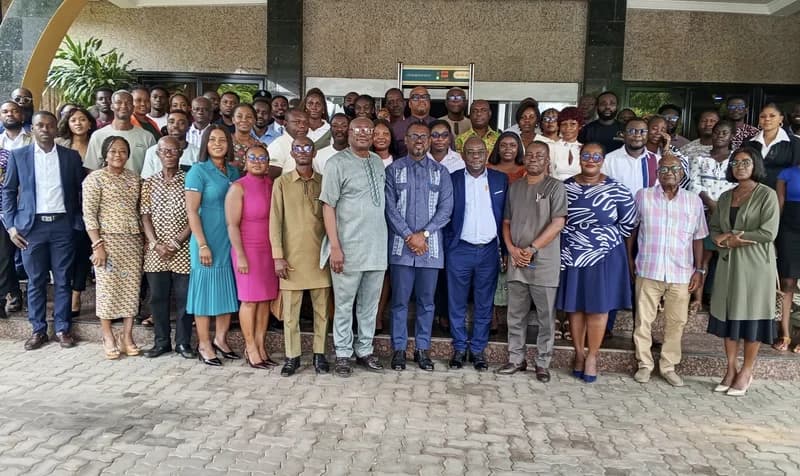
Ghana has officially launched the 7th Ghana Investment and Trade Week (GITW) in Accra, signaling a robust effort to cement its position as West Africa's premier investment hub. Held at the Palms Convention Centre and organized by MIE Events, the three-day summit centers on the theme "Powering Ghana’s 24-Hour Economy." The event has drawn over 300 international delegates and 100 speakers from more than 30 countries to explore opportunities in infrastructure, renewable energy, manufacturing, and trade. This national agenda is designed to transition the country from a raw material-exporting economy to a manufacturing-driven one, fostering job creation and sustainable growth through strategic global partnerships.
Key leadership figures have emphasized the necessity of collaboration to realize these economic goals. King Tackie Teiko Tsuru II, the Ga Mantse, called for a unified front among government institutions, businesses, and traditional authorities to build the trust and stability required for a 24-hour economy. Supporting this vision, Senior Presidential Advisor Dr. Augustus Goosie Tanoh highlighted the critical need for affordable energy to power local manufacturing. Simultaneously, Dr. Mary Awusi, CEO of the Ghana Free Zones Authority, detailed the government's commitment to providing tax breaks, incentives, and readily available industrial land to attract export-oriented businesses through the Free Zones Scheme.
This domestic drive is being matched by an aggressive international outreach program. At the recent Ghana-Canada Investment Forum in Toronto, representatives such as Ras Mubarak and Esther A. N. Cobbah pitched the 24-hour economy and the African Continental Free Trade Area (AfCFTA) as gateways for Canadian capital and expertise. On a continental level, AfCFTA Secretary-General Wamkele Mene has advocated for the broader adoption of visa-on-arrival policies to facilitate the free movement of persons. Mene noted that while Ghana is among the few countries easing travel restrictions, universal adoption of such policies is essential to unlocking the full potential of intra-African trade and economic integration.
Parallel to these high-level trade discussions, the Ghana Tourism Authority (GTA) is implementing grassroots regulatory reforms to modernize the hospitality sector. In stakeholder engagements held in Tema, GTA officials, including Deputy CEO Gilbert Abeiku Aggrey and Regional Manager Isaac Asiam, introduced the Ghana Tourism Information System (GTIS) and proposed new 2026 regulations. These measures aim to standardize the registration and licensing of multi-purpose establishments and event providers, ensuring public safety and data-driven policymaking. Together, these multifaceted initiatives in trade, investment, and tourism represent a comprehensive strategy to enhance Ghana's global competitiveness and industrial resilience.
This story touches markets covered on Anansi Intelligence ↗.
More from business
Continue exploring similar stories


