••
Ghana’s Economic Turnaround: IMF Exit, Infrastructure Milestones, and Mining Reforms Shape National Agenda
•3 min read•19 sources
Ghana has reached a significant economic milestone by officially exiting its IMF bailout program, marking a shift toward macroeconomic stability under the leadership of President John Dramani Mahama and Finance Minister Dr. Cassiel Ato Forson. The quiet exit from the $3 billion Extended Credit Facility has been characterized by falling inflation rates, a stabilizing cedi, and renewed investor confidence. However, the Ghana Federation of Labour has cautioned the government against complacency, urging long-term structural reforms rather than definitive claims that the country will never seek future assistance. To bolster this new era of fiscal discipline, the Ministry of Finance has established the Office for Value for Money, a strategic initiative designed to eliminate padded contracts and ensure transparent public spending.
In the infrastructure and health sectors, the government is reporting accelerated progress on several key projects. The rehabilitation and dualization of the 25-kilometer Takoradi-Agona Junction road is now 85% complete and expected to finish by July 2023, nearly four years ahead of its original 2027 deadline. Simultaneously, the administration is refining its 'Agenda 111' healthcare strategy, prioritizing the completion of 35 hospitals that had previously stalled. President Mahama has committed to implementing accountability measures to recover funds from defaulting contractors while collaborating with private health operators to enhance hospital management across the country.
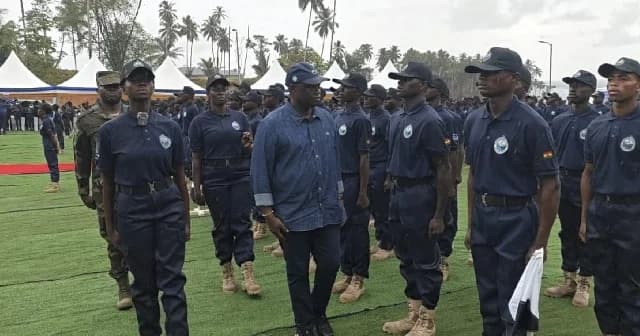
The mining sector remains a focal point of intense policy debate, as the Institute of Economic Affairs (IEA) and the Ghana Chamber of Mines clash over the future of national mineral assets. While the state retains over 60% of mining revenue through taxes and royalties, the Chamber of Mines argues that host communities benefit very little, advocating for a Mineral Revenue Management Act to ensure 30% of royalties reach local areas. Discussions are also underway regarding the 20-year lease extension for Gold Fields’ Tarkwa Mine, with experts suggesting a renegotiated 30% state equity stake rather than outright nationalization to maintain investor confidence. To protect these resources, the government has deployed over 2,000 Blue Water Guards across 100 districts to combat illegal mining and protect water bodies from pollution.
On the domestic front, the government is navigating complex labor and urban development challenges. Organised Labour, led by the Trades Union Congress (TUC), has declared its fierce opposition to any IMF-backed privatization of the Electricity Company of Ghana (ECG), vowing to protect public ownership and consumer access. In Accra, the Ministry for Gender, Children, and Social Protection has suspended planned demolitions at the 31st December Makola Market following protests from traders. Minister Agnes Naa Momo Lartey has promised a humane, consultative approach to redevelopment, ensuring that urban modernization does not compromise the livelihoods of the thousands of traders who form the backbone of the local economy.
This story touches markets covered on Anansi Intelligence ↗.
Related topic
John Mahama: Latest News & Updates →Live rates
Ghana gold price →More from politics
Continue exploring similar stories


