••
Ghana’s Economic Outlook: IMF Pushes Energy Privatization Amid Mining Investment Concerns and Fuel Price Volatility
•3 min read•19 sources
Ghana’s business landscape is currently navigating a complex period of structural reform and fiscal pressure, highlighted by the International Monetary Fund’s (IMF) recent call for private sector participation in the Electricity Company of Ghana (ECG). To address persistent inefficiencies and distribution losses that threaten national financial stability, the IMF is urging the government to expedite privatization efforts within the power sector. This push for reform coincides with the government's ambitious '24-hour economy' policy, which BOST Energies Limited has pledged to support by ensuring an uninterrupted supply of petroleum products across the country. Managing Director Afetsi Awoonor emphasized that reliable energy infrastructure is the cornerstone of this transformative initiative, which aims to boost productivity and stimulate job creation nationwide.
While the government seeks to expand economic activity, the mining sector—a vital pillar of the Ghanaian economy—is facing significant headwinds. Kenneth Ashigbey, CEO of the Ghana Chamber of Mines, has issued a stern warning that the country is losing its competitive edge to neighbors like Côte d’Ivoire and Guinea due to an "unfriendly" fiscal regime. With the government’s share of mining profits reportedly exceeding 60% and royalty rates climbing from 5% to 12%, major investors such as Endeavour Mining have already redirected capital to Côte d’Ivoire. Ashigbey noted that Ghana’s tax regime has crossed what he terms the "IMF danger zone," risking the loss of its status as Africa’s leading gold producer if the fiscal framework is not urgently revised to favor long-term investment.
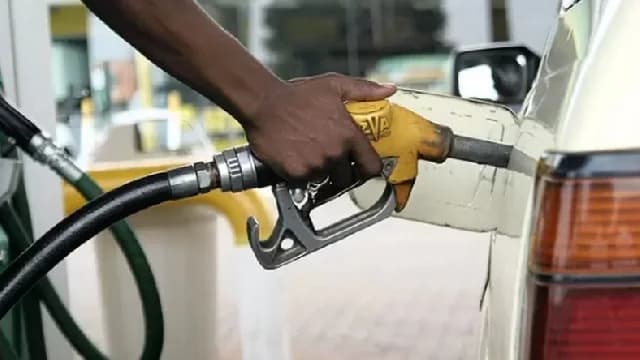
In contrast to these warnings, the Minister for Lands and Natural Resources, Emmanuel Armah-Kofi Buah, recently took to the global stage at the Investors’ Forum in New York to promote Ghana as the continent’s premier mining destination. Highlighting over $20 billion in investments from giants like Newmont and AngloGold Ashanti, the Minister touted recent reforms, including the removal of VAT on exploration and a shift toward critical minerals like lithium. Despite this optimism, the domestic economy remains vulnerable to global energy shocks. With Brent crude prices hovering around $106 per barrel due to geopolitical tensions in the Strait of Hormuz, Ghanaian consumers are bracing for a sharp rise in pump prices. Petroleum experts and COPEC have called for an extension of the government’s fuel relief measures—which currently cushion diesel costs by GH¢2 per litre—to prevent a surge in inflation and transport fares.
Ultimately, Ghana’s path to sustained economic recovery under its IMF-supported program depends on balancing necessary fiscal discipline with competitive industrial policies. While Fitch Ratings recently upgraded Ghana’s Long-Term Foreign-Currency Issuer Default Rating to ‘B’ with a Positive Outlook, the sustainability of this growth hinges on resolving the energy sector’s legacy debts and refining the mining tax structure. As the May 16, 2026, deadline for fuel price adjustments approaches, the government faces a critical choice between fiscal revenue gains and the potential economic fallout of rising operational costs for businesses and citizens alike.
This story touches markets covered on Anansi Intelligence ↗.
Live rates
Ghana gold price →More from business
Continue exploring similar stories

