Ghana News AI
HomeBriefsAsk GhanaTopicsTools
•
•

Stay Informed

Get AI-curated news briefs from Ghana delivered to your inbox every morning. Free forever, no spam.

Explore

  • Home
  • Briefs
  • About

Categories

  • Politics
  • Business
  • Sports
  • Entertainment
  • Africa

Features

  • Analysis
  • Cedi Rates
  • Dollar to Cedi
  • Ghana Gold Price
  • BoG Policy Rate

Topics

  • Armed Forces Recruitment
  • WAEC Results & News
  • Nana Ama McBrown
  • NDC News
  • All Topics

Legal

  • Privacy Policy
  • Terms of Service
Ghana News AI© 2026. All rights reserved.
Made withfor Ghana
health

Ghana’s HIV Response: Ministry of Health Reassures on Drug Supply as Commission Urges Better Adherence and Community Support

12th August•3 min read•6 sources
No nationwide shortage of HIV drugs, Health Ministry tells patients
  1. Home
  2. /Health
  3. /Ghana’s HIV Response: Ministry of Health Reassures on Drug Supply as Commission Urges Better Adherence and Community Support

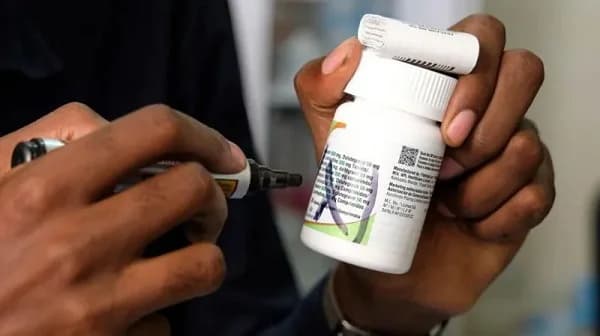
Ghana’s fight against HIV/AIDS is at a critical juncture as health authorities and civil society organizations emphasize a multi-pronged approach that combines medical adherence with robust community-led interventions. While the Ministry of Health (MoH) has moved to reassure the public of the availability of essential antiretroviral medicines (ARVs), the Ghana AIDS Commission (GAC) is raising concerns over patient adherence rates. Currently, data indicates that only 57.6% of people living with HIV (PLHIV) in the country are consistently on Antiretroviral Therapy (ART). This gap remains a significant barrier to achieving national health targets and preventing avoidable deaths, despite the life-saving potential of modern treatment.

Addressing the logistical side of the response, the Ministry of Health recently denied reports of ARV shortages, countering allegations raised by the Network of Persons Living with HIV in Ghana (NAP+ Ghana). The Ministry clarified that medical supplies are actively being restocked and procurement obligations are being managed to ensure timely distribution across all designated health facilities. Officials also refuted claims that drugs had expired at ports, asserting that they remain open to dialogue with advocacy groups to resolve concerns. This supply-side stability is essential for the GAC’s goal of achieving viral suppression among patients, a state that allows individuals to lead healthy lives and effectively eliminates the risk of transmitting the virus to partners.

Beyond the provision of medication, stakeholders are advocating for a shift toward community-centered strategies to address the social barriers surrounding the epidemic. Samuel Yao Atidzah, Executive Director of the GOSANET Foundation, argued that ending AIDS requires more than just medicines and test kits. He emphasized that building strong communities and informed citizenship is indispensable in the fight against stigma and discrimination. To bridge accessibility gaps, GOSANET has been promoting community-based self-testing to improve privacy and convenience, recently distributing 800 self-testing kits and over 1,000 condoms to vulnerable populations, including fisherfolks who may face barriers to conventional health services.

The path forward for Ghana’s HIV response relies on integrating human rights education into prevention efforts and leveraging the media to combat misinformation. The Ghana AIDS Commission has highlighted the media’s role as a critical partner in normalizing treatment and reducing the fear that often prevents individuals from seeking help. As policymakers and community leaders are urged to increase investment in localized interventions, the focus remains on ensuring that no vulnerable group is overlooked. By combining reliable drug supplies with empowered community support systems, Ghana aims to create an environment where testing and treatment are accessible to all without fear of prejudice.

Our Take

From the Team

Coming Soon

Our team will add key insights, trends, and actionable takeaways to help you stay informed faster.

This story touches markets covered on Anansi Intelligence ↗.

More from health

Continue exploring similar stories

Aisha Hospital Achieves Historic IVF Birth and Launches New Dialysis Centre in Tamale
health|2 days ago

Aisha Hospital Achieves Historic IVF Birth and Launches New Dialysis Centre in Tamale

Aisha Hospital in Tamale has marked a transformative milestone for healthcare in Northern Ghana with the successful delivery of its first baby through In Vitro Fertilization (IVF) and the official commissioning of a state-of-the-art Dialysis Unit. These developments represent a significant leap in specialist medical services for a region that has traditionally faced gaps in high-end clinical care. By bringing these advanced services to the Northern regional capital, the hospital is addressing critical health needs that previously required patients to undertake long and costly journeys to Accra or Kumasi. Founded in 2023 by Chief Dr. Doli-Wura Zakaria, Aisha Hospital was established with the specific mission of decentralizing specialist healthcare and making world-class treatments accessible to all Ghanaians. Dr. Zakaria described the recent achievements as a major breakthrough for the facility and the community it serves. The successful IVF delivery, in particular, showcases the hospital's technical capability and commitment to providing modern solutions for infertility, offering new hope to families across Northern Ghana who are seeking reproductive assistance. In addition to the IVF milestone, the launch of the new Dialysis Unit is set to provide vital relief for patients suffering from kidney-related ailments. Chronic kidney disease remains a significant health challenge in Ghana, and the availability of local dialysis services will drastically reduce the financial and physical burden on patients who require regular, life-sustaining treatments. This expansion reflects a growing trend of private sector investment in the nation’s healthcare landscape, specifically targeting underserved geographical areas to ensure more equitable access to life-saving technology. Looking ahead, Aisha Hospital has outlined an ambitious roadmap for further expansion and service diversification. Management has announced plans to introduce dedicated cancer care services by 2027, aiming to tackle the rising incidence of oncology cases in the region. With a long-term vision to establish additional specialist centers by 2030, the hospital is positioning itself as a hub for medical excellence in Northern Ghana, potentially curbing medical tourism while significantly improving long-term health outcomes for the local population.

National Health Insurance Authority Uncaps Levy to Drive 70% Coverage and Financial Sustainability
health|2 days ago

National Health Insurance Authority Uncaps Levy to Drive 70% Coverage and Financial Sustainability

Ghana’s National Health Insurance Scheme (NHIS) has reached a significant milestone, achieving 70% national coverage as of mid-2026. This progress is largely attributed to a landmark legislative amendment passed in April 2025, which uncapped the National Health Insurance Levy (NHIL). Previously, funding for the scheme was capped at 25%, a restriction that often led to financial bottlenecks and delayed payments to service providers. The decision to uncap the levy has been hailed as a game-changer, providing the National Health Insurance Authority (NHIA) with the necessary fiscal space to ensure timely claims payments and improve resource allocation across the healthcare sector. The NHIS, established in 2003, remains a cornerstone of Ghana’s strategy for achieving Universal Health Coverage (UHC) in sub-Saharan Africa. Under the current administration of President John Mahama, the scheme has prioritized restoring public trust through proactive measures and digital innovations. By addressing the funding challenges that previously hampered operations, the NHIA has significantly reduced the backlog of payments to hospitals and clinics. This financial stability has encouraged more healthcare providers to remain within the network, thereby expanding the range of services available to subscribers, particularly in underserved communities. Beyond financial reforms, the NHIA has intensified efforts to protect vulnerable populations through initiatives such as Free Primary Health Care and targeted exemptions. A major focus of the current strategy is the eradication of illegal charges, or co-payments, where patients are asked to pay out-of-pocket for services already covered by the scheme. Through community outreach and enhanced monitoring, the authority is working to ensure that the benefits of the NHIS reach those who need them most without the barrier of unauthorized costs. As Ghana continues to work toward the United Nations Sustainable Development Goals, the evolution of the NHIS serves as a critical component of national development. The shift toward a fully funded, uncapped levy system positions the scheme to handle future health crises and a growing population. Moving forward, the NHIA aims to leverage further digital transformations to streamline registration and claims processing, ensuring that the trajectory toward 100% universal coverage remains on track while maintaining the quality of care provided to every Ghanaian.

Taiwo Hassan ‘Ogogo’ Faces Life-Threatening Cancer Battle as Family Pleads for Urgent Medical Assistance
health|2 days ago

Taiwo Hassan ‘Ogogo’ Faces Life-Threatening Cancer Battle as Family Pleads for Urgent Medical Assistance

Veteran Yoruba actor Taiwo Hassan, popularly known as Ogogo, is currently facing a life-threatening health crisis as he battles stage-four cancer. The news of the legendary actor's deteriorating health came to light following an emotional appeal by his daughters, who revealed that their father is in a critical state and is struggling to secure continued medical care. The situation has sparked widespread concern among fans and colleagues across the West African entertainment landscape, highlighting the vulnerability of even the most celebrated cultural icons who have shaped the region's artistic identity over the decades. In a heart-wrenching social media post, the actor's daughters, Lima and Kira Taiwo, took to Instagram to seek help from the public and medical professionals. They shared the distressing news that several hospitals have reportedly begun rejecting their father, refusing to continue his treatment given the advanced stage of his condition. According to the family, some medical facilities have indicated they can no longer provide the necessary level of care, leaving the veteran actor in a precarious state without immediate options for intervention. This public outcry is a desperate measure to find a facility or team of specialists willing to take on his complex medical case and provide the necessary relief. Taiwo Hassan has been a cornerstone of the Yoruba film industry for over three decades, known for his disciplined roles and significant contributions to the cultural heritage of Nigerian cinema. His career has spanned hundreds of productions, earning him a place as a household name and a respected mentor to many younger actors. The appeal from his family is not just a call for financial assistance but a desperate search for medical experts who might offer a lifeline or more advanced palliative treatment options that could alleviate his suffering. The daughters' public cry underscores the dire nature of the diagnosis and the family's exhaustion of conventional medical routes in their search for a cure. As the story develops, the focus remains on whether specialized medical facilities or international support can be mobilized to assist the veteran actor in his time of need. This case once again brings to the forefront the systemic challenges faced by veteran entertainers who often find themselves in precarious positions when faced with catastrophic health issues later in life. The plea from the Taiwo family serves as a poignant reminder of the need for robust health insurance and support systems for those in the creative arts, while also demonstrating the enduring power of community and fan support in times of extreme personal tragedy.

Upper West Regional Health Directorate Launches Free Primary Healthcare Pilot to Tackle Health Inequalities
health|2 days ago

Upper West Regional Health Directorate Launches Free Primary Healthcare Pilot to Tackle Health Inequalities

The Upper West Regional Health Directorate has officially launched the Free Primary Healthcare Policy in Wa, marking a significant step toward achieving universal health coverage in the region. This initiative is currently being piloted across ten districts and is specifically designed to bridge the gap in access to essential medical services between urban centers and underserved rural populations. By removing financial barriers at the primary level, the Directorate aims to ensure that every resident, regardless of their economic status, can receive necessary care without delay. This move aligns with broader national goals to decentralize quality healthcare and protect vulnerable citizens from catastrophic health expenditures. The launch took place during the Directorate’s Half-Year Health Sector Performance Review Meeting, where health officials gathered to assess the region's medical landscape. Regional Director of Health Services, Dr. Josephat A. Nyuzaghl, underscored the importance of the policy by highlighting recent successes in the region, most notably a significant 45% reduction in maternal mortality. This improvement serves as a benchmark for the potential impact of the new policy, as the Directorate seeks to build on existing gains and further stabilize health outcomes for mothers and infants across the Upper West. The data suggests that targeted interventions are already yielding results, providing a strong foundation for the free healthcare rollout. To ensure the long-term sustainability of the Free Primary Healthcare Policy, Dr. Nyuzaghl and other health leaders have called upon local authorities and regional stakeholders to provide unwavering support. The success of the pilot program relies heavily on the efficient management of resources and the active participation of community leaders in monitoring service delivery. As the pilot progresses, the Directorate plans to use the data gathered from the initial ten districts to refine the policy’s implementation, with the ultimate goal of fostering a more equitable healthcare system that serves as a model for other regions in Ghana.

All
africa
business
education
entertainment
health
news
politics
sports
technology