••
International AIDS Experts and Ghana Health Officials Call for Equitable Access and Domestic Funding to End HIV by 2030
•2 min read•5 sources
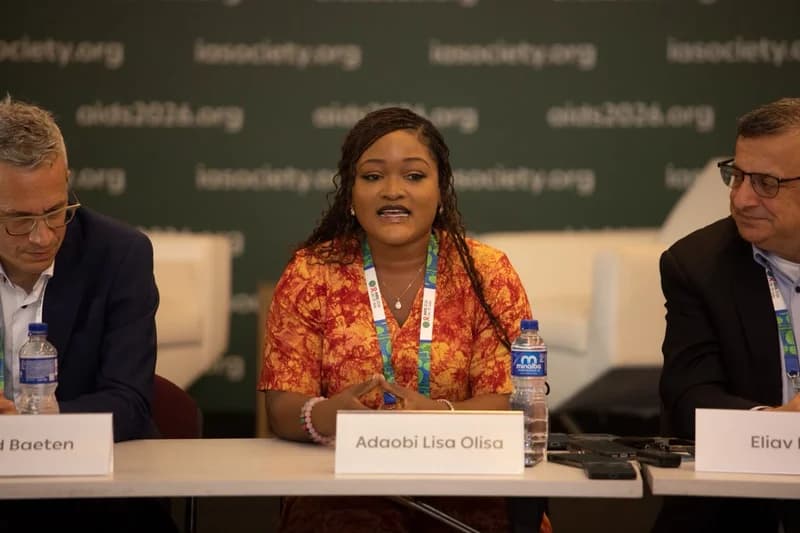
Experts at the 26th International AIDS Conference in Rio de Janeiro have identified access to revolutionary long-acting prevention medicines as the primary hurdle to ending the AIDS epidemic by 2030. While scientific innovation has successfully produced highly effective treatments such as Lenacapavir, a twice-yearly injectable, the global health focus has now shifted toward ensuring these technologies reach at-risk populations in low-income regions equitably. This global push for access coincides with urgent calls from Ghanaian health officials for "health sovereignty," as traditional donor support begins to wane, threatening the sustainability of local HIV programs.
The emergence of long-acting HIV prevention methods marks a significant turning point in the global response. During the conference, medical experts and community advocates noted that these injections are gaining rapid acceptance across Africa, primarily because they address "pill fatigue" and the social stigma frequently associated with daily oral medications. Dr. Jared Baeten of Gilead Sciences reported that the demand for these new medicines has already exceeded initial expectations. To meet this demand, organizations like Unitaid are making substantial investments to scale up delivery systems across multiple countries, with plans to provide these breakthrough treatments to over one million people by next year.
Despite these technological advancements, the sustainability of the response in countries like Ghana remains a critical concern. At an African Union Extraordinary Summit in Accra, Emmanuel Teviu, the Programme Manager of Ghana’s National AIDS/STI Control Programme, emphasized the necessity of domestic funding for health needs. He warned that as international donor support declines, Ghana must pursue local manufacturing and sustainable health financing to avoid potential health crises triggered by funding disruptions. This sentiment was echoed by civil society organizations, who argued that community leadership and local investment are essential to maintaining the progress made in reducing new infections.
The path toward ending AIDS by 2030 requires a dual approach: the global community must ensure that cutting-edge prevention tools are affordable and accessible, while individual nations must strengthen their internal health infrastructures. Experts conclude that the successful implementation of long-acting medications depends on robust community delivery systems and public education to build confidence in new health technologies. By combining scientific innovation with localized financial commitment and community-led outreach, stakeholders believe the ambitious goal of a world without AIDS remains achievable.
This story touches markets covered on Anansi Intelligence ↗.
More from health
Continue exploring similar stories


