••
Ghana Healthcare Infrastructure Receives Boost with New Facilities and Water Systems in DBI, Tarkwa, and Cape Coast
•3 min read•6 sources
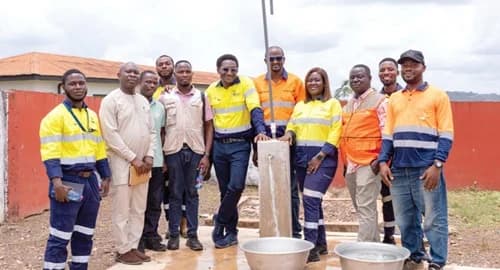
Significant advancements in Ghana’s healthcare sector have been recorded across several districts, with local assemblies and international partners commissioning vital infrastructure to improve maternal and emergency medical services. In the Daffiama-Bussie-Issa (DBI) District, the Assembly has invested over GH¢300,000 to modernize healthcare delivery and expand water access. This initiative is mirrored in the Tarkwa Municipality, where the Gold Fields Ghana Foundation and World Vision have partnered to provide a solar-powered water system for the Damang community, specifically targeting healthcare and educational facilities to ensure sustainable clinical hygiene.
The DBI District’s intervention addresses critical deficits, including the replacement of broken delivery beds—some of which were previously propped up by stones—with 10 modern medical beds. Furthermore, the Assembly completed a comprehensive renovation of a medical doctor’s bungalow at the Issa Polyclinic. This move allows Dr. Paschalina Langmagne, the district’s only medical doctor, to reside locally rather than face a grueling 80 km daily commute. Alongside these facility upgrades, 19 new water boreholes were commissioned to resolve longstanding water scarcity, which is essential for maintaining hygiene and sanitation standards in local clinics and surrounding communities.
In the Western Region, the newly commissioned Damang water supply system represents a model for sustainable community development. Funded by the Gold Fields Ghana Foundation and implemented by World Vision Ghana, the project features a sophisticated network of drilled boreholes, a central reservoir, and a solar-powered pumping mechanism. This system ensures that households, schools, and healthcare centers in Damang have a reliable, clean water source. By fostering local ownership and management, the initiative seeks to improve long-term health outcomes and provide a blueprint for public-private collaboration in rural infrastructure development.
While some districts celebrate new infrastructure, others are calling for urgent support to address legacy deficits. The Ewim Polyclinic in Cape Coast, a facility with a 50-year history, has issued an appeal for the construction of a surgical theatre. Currently, patients requiring surgical procedures must be referred to other hospitals due to a lack of specialized space and equipment. Acting Medical Superintendent Dr. Amos Kofi Pepprah highlighted the clinic's ongoing struggles despite recent support from Oxfam, which donated medical supplies and has invested nearly GH¢1.5 million in reproductive health services through the "Power to Choose" project.
These combined efforts underscore the vital role of decentralized governance and NGO partnerships in strengthening Ghana's primary healthcare system. While the provision of modern beds and water systems marks a turning point for maternal care in districts like DBI, community leaders emphasize that infrastructure alone is not enough. Challenges such as poor road conditions and the need for dedicated emergency vehicles remain significant hurdles to effective healthcare delivery. Addressing these systemic issues will be the next critical step in ensuring that the newly commissioned facilities can provide timely, life-saving care to all citizens.
This story touches markets covered on Anansi Intelligence ↗.
Live rates
Ghana gold price →More from health
Continue exploring similar stories


