••
Ghana Health Service Issues Urgent Health Alert Over Rising Disease Risks and Snakebites Amid Heavy Rains
•2 min read•6 sources
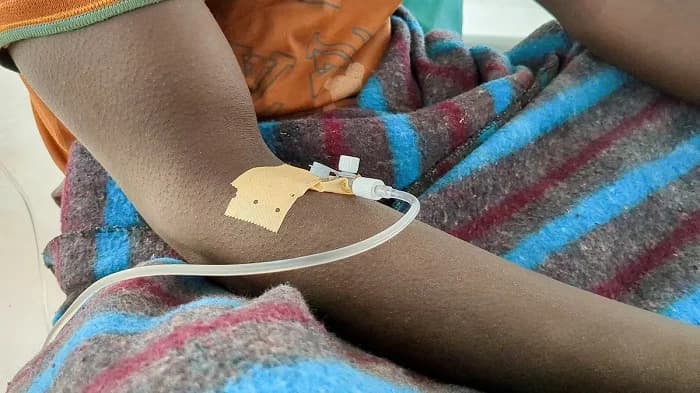
The Ghana Health Service (GHS) and the Ministry of Health (MoH) have issued a comprehensive public health alert following increased rainfall and severe flooding across the country, particularly within the Accra metropolis. The agencies warn that the onset of the rainy season has significantly heightened the risk of waterborne diseases, mosquito-borne illnesses, and dangerous wildlife encounters. Signed by Dr. Samuel Kaba Akoriyea, the GHS alert emphasizes that the combination of flooding and poor sanitation creates a fertile ground for potential public health emergencies that require immediate community vigilance.
A primary concern highlighted by health officials is the contamination of local water sources. Heavy rains often carry faecal matter into water bodies, leading to a surge in deadly waterborne diseases such as cholera, typhoid fever, and dysentery. The alert specifically warns that vegetables and other crops grown near these contaminated water sources may also be compromised, posing a direct threat to consumers. Furthermore, the GHS noted a rising risk of vector-borne diseases, including malaria, yellow fever, and dengue fever, as stagnant water in discarded items and debris provides ideal breeding grounds for mosquitoes.
Beyond infectious diseases, the severe flooding has introduced a physical threat through the displacement of dangerous wildlife. As natural habitats are submerged, venomous snakes are increasingly being forced into human settlements, significantly raising the risk of snakebites. Ministry of Health spokesperson Tony Goodman highlighted that these risks are often exacerbated by poor sanitation practices, such as the dangerous habit of dumping waste into drains during heavy rains. This practice not only worsens flooding but also spreads pathogens, making a cholera outbreak more likely in urban centers.
To mitigate these escalating risks, the GHS has released strict preventive guidelines for both the general public and food vendors. Key recommendations include maintaining rigorous environmental cleanliness, ensuring all food is prepared under hygienic conditions, and thoroughly washing produce before consumption. The Ministry of Health confirmed it has integrated cholera surveillance into its seasonal health planning and is actively monitoring for early symptoms to ensure rapid response. Both agencies are calling for total public cooperation and heightened vigilance to prevent a large-scale health crisis during this critical rainy period.
This story touches markets covered on Anansi Intelligence ↗.
More from health
Continue exploring similar stories


