••
Ghana Health Service and Ministry of Health Issue Urgent Alerts Over Rising Disease Risks Amid Severe Flooding
•3 min read•14 sources
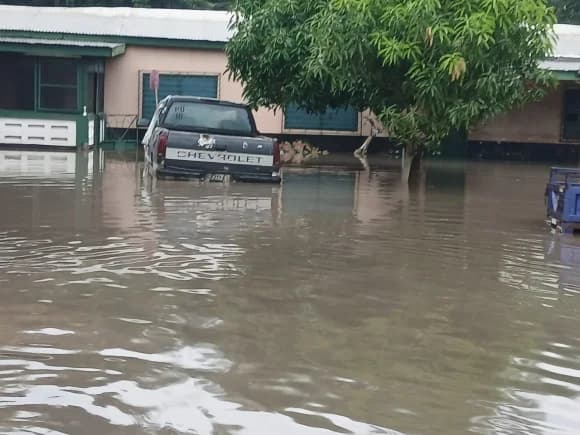
The Ghana Health Service (GHS) and the Ministry of Health have issued a series of urgent public health alerts following severe rainfall and flooding that have displaced residents across the Greater Accra, Central, and Volta regions. Led by the Director-General of the GHS, Dr. Samuel Kaba Akoriyea, and Minister of Health Kwabena Mintah Akandoh, health authorities are warning of a significant surge in waterborne diseases, including cholera, typhoid fever, and dysentery, as well as vector-borne illnesses like malaria and dengue fever. The alerts emphasize that contaminated water sources and stagnant pools created by the rains provide ideal breeding grounds for pathogens and mosquitoes, necessitating immediate public intervention to prevent a national health crisis.
To mitigate these risks, health officials are urging citizens to adhere to strict hygiene protocols, such as boiling drinking water, frequent handwashing, and ensuring food is thoroughly cooked and protected from floodwater contamination. Dr. Akoriyea specifically highlighted the danger posed by displaced reptiles, advising the public to remain vigilant against snakebites as flooding forces wildlife into human settlements. Food vendors are also under strict directives to maintain high sanitary standards, while residents in flood-prone areas are encouraged to clear choked drains and eliminate stagnant water around their homes to reduce mosquito breeding sites.
The crisis has prompted a multi-sectoral response, with the Pharmaceutical Society of Ghana (PSGH) calling on all pharmacies to ensure a steady supply of essential medicines to treat gastrointestinal and febrile illnesses. Simultaneously, the National Petroleum Authority (NPA) has taken drastic safety measures by ordering the immediate closure of all flooded fuel stations. Oil Marketing Companies have been directed to establish 100-metre safety zones and cease dispensing activities until thorough safety inspections are conducted and any contaminated fuel is properly disposed of. These measures aim to prevent environmental hazards and ensure public safety near inundated infrastructure.
In a concluding appeal for collective responsibility, Minister Kwabena Mintah Akandoh launched a post-flood public health education campaign to sensitize vulnerable communities. He stressed that while the Ministry is working to restock health facilities with emergency supplies, the success of these preventive efforts depends on individual vigilance. The public is advised to seek immediate medical attention at the nearest health facility if they experience symptoms such as severe diarrhea, vomiting, or persistent fever, rather than resorting to self-treatment. These coordinated efforts reflect a proactive stance to avert the deadly outbreaks that have historically followed major flooding events in Ghana.
This story touches markets covered on Anansi Intelligence ↗.
More from health
Continue exploring similar stories


