••
Ghana’s Health Security Under Threat from 60% Water Pollution and Sanitation Failures
•3 min read•12 sources
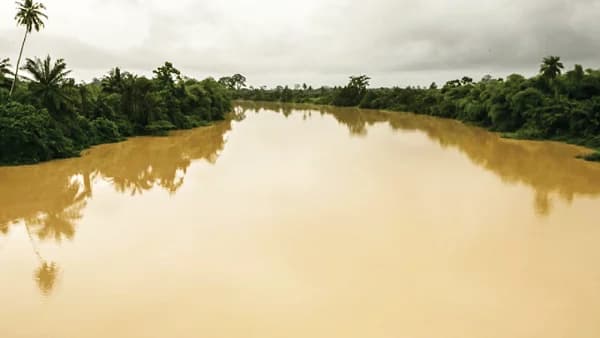
Ghana is facing a critical public health crossroads as environmental scientists and development experts warn of a deepening water and sanitation crisis across both urban and rural landscapes. Dr. Franklin Obiri-Nyarko, a research scientist from the CSIR-Water Research Institute, has revealed that illegal mining (galamsey) has now contaminated over 60% of the nation’s water bodies. This widespread pollution has begun to affect the Volta Basin, a region previously considered relatively safe, prompting urgent calls for integrated funding and restoration efforts. Experts warn that if these trends continue, the country faces the grim prospect of importing water to meet basic needs, undermining national security and public health.
The rural sector faces equally daunting hurdles, particularly in the Volta Region, where access to improved water and sanitation remains a luxury for the majority. Mr. Richard Kasu, Executive Director of Community Focus Foundation Ghana (CFF-Ghana), highlighted that only 24% of the region's population has access to safe water and improved hygiene services. In some districts, open defecation rates have reached a staggering 90.4%. In response, CFF-Ghana is partnering with the Volta Regional Coordinating Council to host the inaugural Volta Water Dialogue in August 2025, aimed at mobilizing resources for mechanized boreholes and community-led sanitation projects to align with the 2030 Sustainable Development Goals.
Simultaneously, urban and coastal areas are struggling with deteriorating waste management systems. In Accra’s Central Business District, uncollected refuse at the Tudu trotro bus stop has created a severe public health hazard, with traders and commuters raising alarms over foul odors and the heightened risk of cholera and malaria. Similar conditions are reported in Eyipe, Winneba, where coastal residents are forced to dispose of waste near the shoreline due to high collection costs and a lack of adequate facilities. Local leaders, including Assembly Member Hon. Kofi Kumi, have acknowledged that the shortage of waste bins and irregular collection services from providers like Zoomlion are exacerbating these environmental and health risks.
These converging crises underscore the need for a unified national response that connects environmental protection with public health infrastructure. While local NGOs and community leaders are pushing for localized solutions such as mechanized boreholes and public education, the scale of galamsey-driven pollution and urban refuse accumulation requires robust intervention from the Accra Metropolitan Assembly and the central government. Stakeholders emphasize that securing Ghana’s water future and cleaning its cities are not merely environmental objectives but essential investments in the nation’s long-term health and economic stability.
This story touches markets covered on Anansi Intelligence ↗.
More from health
Continue exploring similar stories


