••
New Health Infrastructure and Sanitation Initiatives Launched to Strengthen Public Health Across Ghana
•3 min read•4 sources
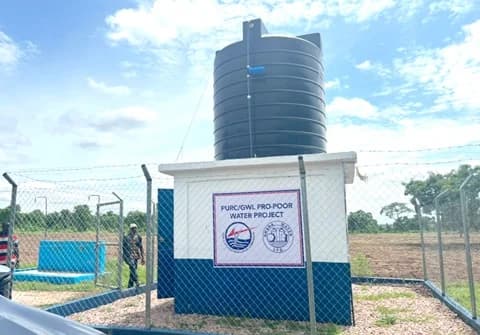
Ghana has seen a significant boost in health and sanitation infrastructure following the inauguration of new community clinics in the North East Gonja District, the installation of boreholes in Karaga, and the refurbishment of facilities at the Accra Psychiatric Hospital. These various initiatives, led by state agencies, academic institutions, and local representatives, reflect a concerted effort to decentralize healthcare and improve the quality of life for both rural and urban populations. By addressing fundamental needs such as maternal care, potable water, and mental health sanitation, these projects align with the nation’s commitment to achieving Universal Health Coverage and the United Nations Sustainable Development Goals. In the North East Gonja District, two Community-based Health Planning and Services (CHPS) compounds were officially opened in the communities of Kanakulai and Tantuani. Funded through the District Assemblies Common Fund and the Member of Parliament’s Common Fund, these facilities are specifically designed to enhance maternal and child healthcare delivery. Member of Parliament Alhaji Alhassan Mumuni emphasized that the new compounds—equipped with motorbikes for outreach and accommodation for over 11 health workers—will drastically reduce the travel distance for pregnant women seeking medical assistance. This development is seen as a vital component of the government’s Free Primary Healthcare Programme, ensuring that essential medical services are accessible even in remote areas. Complementing these healthcare facilities, the Public Utilities Regulatory Commission (PURC) has intervened in the Karaga Municipality by constructing eight mechanised boreholes across seven underserved communities. Part of the PURC’s Pro-Poor Social Intervention Programme, the initiative aims to bridge the gap in essential utility services. For years, residents in these areas relied on unsafe water sources, leading to a high prevalence of waterborne diseases. Local officials noted that the provision of potable water would not only improve public health but also bolster sanitation efforts within the municipality, providing a sustainable solution to long-standing environmental health challenges. In the capital, the Library of the University of Media, Arts and Communication (UNIMAC) has successfully refurbished the washroom facilities at the Male Observation Ward of the Accra Psychiatric Hospital. This project, completed as part of the institution’s Library Week celebrations, involved the installation of hand-washing basins and extensive tiling to improve hygiene standards for patients. University Librarian Lydia Nyantakyi-Baah highlighted that the project supports Sustainable Development Goal 3, which focuses on Good Health and Well-being. Hanson Torde, the hospital’s Deputy Director of Administration, praised the university’s contribution and called for increased public and private investment in mental health services to reduce the stigma often associated with psychiatric care. These collective efforts demonstrate a multifaceted approach to public health that extends beyond the clinical setting to include sanitation and water security. As Ghana continues to expand its health network under the current administration of President John Mahama, the integration of these projects highlights the importance of institutional collaboration in meeting community needs. Moving forward, the sustainability of these facilities will depend on continued maintenance and the provision of adequate personnel, ensuring that the progress made in Karaga, North East Gonja, and Accra provides lasting benefits for the Ghanaian people.
This story touches markets covered on Anansi Intelligence ↗.
Related topic
John Mahama: Latest News & Updates →More from health
Continue exploring similar stories


