••
Ghana’s Business Landscape 2026: GSE Records Explosive Growth Amid Regulatory Crackdowns and Infrastructure Upgrades
•3 min read•30 sources
The Ghanaian business environment in early 2026 is characterized by extraordinary growth in the capital markets, paired with aggressive regulatory enforcement and significant infrastructure investments. The Ghana Stock Exchange (GSE) reported a historic performance in March 2026, with year-to-date trading volumes surging by 817% to reach GH"2.78 billion. This momentum continued into April, as market capitalization climbed to GH"246.18 billion despite mixed results for individual equities. Top performers like Republic Bank and Standard Chartered Bank Ghana saw gains of over 80%, while the financial stocks index rose 70% year-to-date. However, this growth occurs against a backdrop of currency volatility, with the cedi trading at GHS11.85 to the US dollar on the forex market as of April 9, 2026.
Regulatory bodies are intensifying oversight to protect investors and workers alike. The National Pensions Regulatory Authority (NPRA) has initiated legal proceedings against over 100 employers for failing to remit pension contributions, successfully recovering GH"27 million for workers so far. Simultaneously, the Bank of Ghana and the Ministry of Finance issued a joint warning to debunk false claims regarding Databank Group’s status as a Bond Market Specialist, clarifying that only six institutions, including ABSA and Stanbic Bank, are currently authorized. In the fintech sector, stakeholders are calling for unified coordination to tackle rising mobile money fraud, which experts attribute to poor merchant supervision and social engineering vulnerabilities.
In the trade and transport sectors, the Ghana Shippers’ Authority (GSA) is pushing for the enforcement of mandatory local cargo insurance, revealing that only 6% of imports are currently insured locally. This initiative aims to curb capital flight and protect importers from the loss of an estimated 2,000 containers annually at sea. Concerns have also been raised regarding vehicle safety, as Toyota Voxy imports spiked to 3,570 units in the first two months of 2026 alone. The National Road Safety Authority (NRSA) has banned the model for commercial use due to structural integrity issues arising from left-hand drive conversions, while industry leaders advocate for mandatory pre-clearance testing for all imported vehicles.
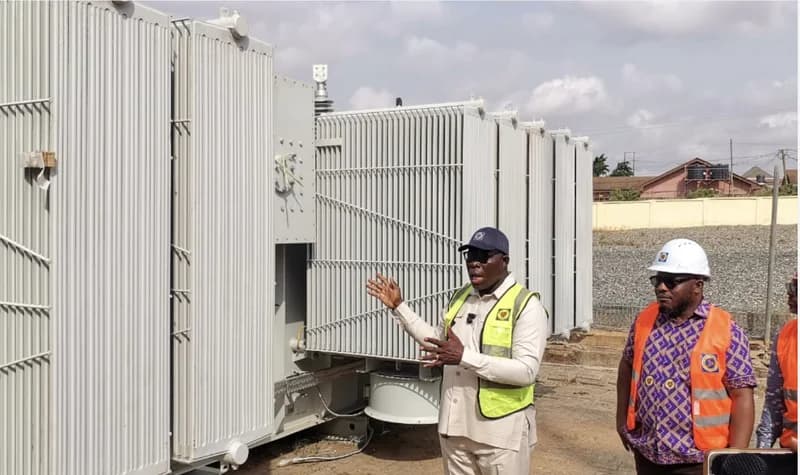
Infrastructure and utility providers are navigating complex operational challenges. The Electricity Company of Ghana (ECG) is investing over GH"200 million to upgrade Accra’s power network, though planned maintenance continues to cause temporary outages in the Ashanti Region. These power fluctuations have severely impacted water production, with Ghana Water Limited reporting a loss of nearly one million cubic metres in March 2026. To alleviate economic pressure on citizens, sachet water manufacturers have agreed to temporarily suspend planned price increases following government intervention. On a positive note for logistics, the European Commission has approved a €20 million grant to upgrade signaling on the Tema–Mpakadan railway line, a move expected to transform the corridor into a major economic driver.
Ghana’s real estate market is also evolving, becoming a preferred hedge for diaspora investors seeking to escape lackluster returns in Western markets. High-net-worth Ghanaians are increasingly targeting USD-denominated luxury assets in the Airport Residential Area. Projects like Regalia Residence are redefining luxury through “intelligent architectural ecosystems” that prioritize privacy and climate-appropriate design. As global interest rates ease, these premium properties are expected to see sustained demand from corporate and diplomatic tenants, further cementing Accra’s position as a resilient investment hub in West Africa.
This story touches markets covered on Anansi Intelligence ↗.
Live rates
Dollar to cedi rate →More from business
Continue exploring similar stories

