••
Securing the Future: Why Cloud Integration is Critical for Power Grid Cybersecurity
•2 min read•1 source
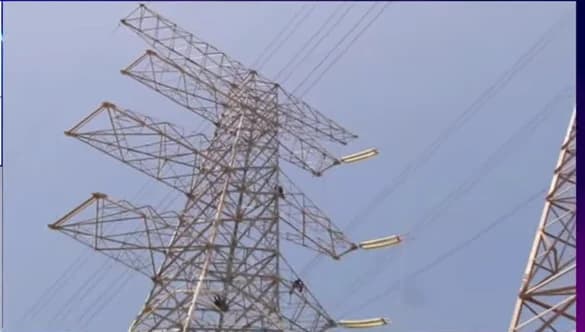
The landscape of energy security is undergoing a fundamental shift as digital vulnerabilities increasingly eclipse physical infrastructure as the primary threat to power grid stability. Recent trends indicate that power outages are no longer solely the result of aging equipment or extreme weather events; instead, they are becoming tied to weaknesses in the digital systems that manage the electricity flow. As utility companies globally integrate smart technologies to improve efficiency, the surface area for potential cyberattacks expands, making robust cybersecurity measures a non-negotiable component of modern infrastructure management.
The urgency for this digital fortification is underscored by the rise of sophisticated cyber threats, including ransomware and state-sponsored intrusions. Historical precedents, such as the 2015 Ukraine cyberattack, serve as a stark reminder of the devastating real-world consequences that can arise from digital breaches in the energy sector. These incidents highlight that without comprehensive security protocols, the very technologies designed to optimize grid performance can be weaponized to cause widespread disruption. Consequently, the transition to smart grids requires a proactive defensive strategy that moves beyond traditional firewall protection.
At the heart of this defensive evolution is the integration of secure cloud technologies. While once viewed with skepticism in the utility sector, cloud systems are now being recognized as essential tools for enhancing visibility and monitoring across vast energy networks. By leveraging cloud-based architecture, operators can implement more advanced anomaly detection systems that identify threats in real-time, often before they can cause physical damage. This shift allows for more agile security updates and a centralized view of the grid's digital health, providing a level of resilience that legacy on-premise systems struggle to match.
As the energy sector continues to modernize, regulatory frameworks are evolving to mandate the inclusion of cybersecurity in power system development. The future of grid stability will likely depend on a balanced technological approach that harmonizes secure cloud integration with edge computing. By prioritizing architectural changes that facilitate secure data flow and system redundancy, utility providers can better safeguard national interests against the growing prevalence of cyber threats. This dual focus on innovation and security ensures that the transition to a smarter energy future does not come at the cost of reliability.
This story touches markets covered on Anansi Intelligence ↗.
More from technology
Continue exploring similar stories


