••
GoldBod Financing Model Under Scrutiny as Ghana’s International Reserves Face Renewed Pressure
•3 min read•5 sources
Ghana’s strategic shift to a gold-backed foreign exchange model is facing its first major test as the cedi experiences a 9.5% depreciation against the US dollar as of September 2026. The transition, which saw the Ghana Gold Board (GoldBod) take over gold purchasing responsibilities from the Bank of Ghana in July 2026, was designed to stabilize the national currency and build external buffers. While GoldBod reported a successful first month, generating US$1.315 billion in foreign exchange during August 2026, experts and policymakers are raising alarms about the sustainability of the model amid fluctuating international reserves and tightening market liquidity.
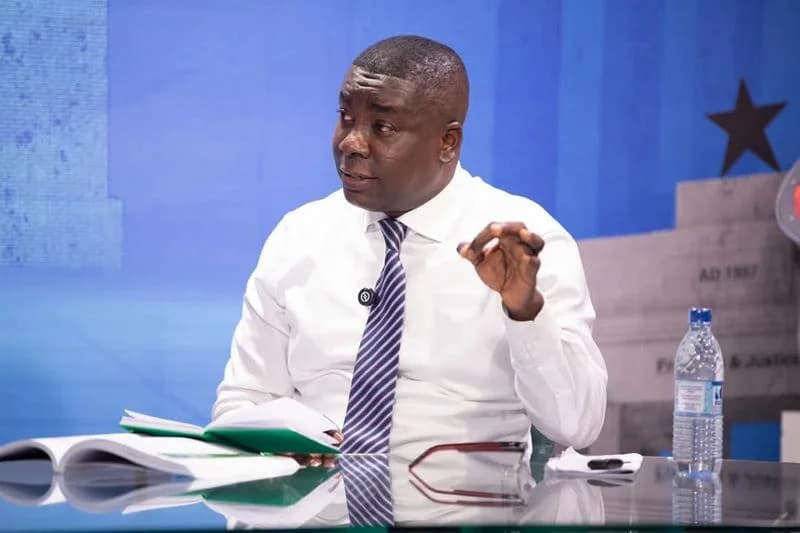
Dr. Gideon Boako, the Tano North Member of Parliament and Deputy Ranking Member of the Finance Committee, has been a vocal critic of the current reliance on gold. He argues that while the initial revenue figures are promising, a single month of performance does not guarantee resilience under adverse market conditions. Dr. Boako expressed concerns that the financing model—which relies heavily on commercial banks and private off-takers—could falter if banks face liquidity constraints or if the costs of financing rise. He emphasized that gold should not be Ghana’s only lifeline for foreign exchange, calling for a broader external-sector strategy that incorporates manufacturing, agriculture, tourism, and digital services to ensure long-term economic stability.
In tandem with these economic concerns, the governance of the new framework has undergone significant changes. Dr. Johnson Pandit Asiama, the Governor of the Bank of Ghana, recently clarified that he resigned from the GoldBod Board of Directors five months ago. The move followed concerns raised by the New Patriotic Party (NPP) regarding potential conflicts of interest and financial issues linked to the central bank’s gold operations. Dr. Asiama cited the Ghana Gold Board Act, 2025 (Act 1140), which allows for representation by other central bank officials, thereby addressing the NPP’s calls for his removal while maintaining institutional oversight.
Despite the political and structural shifts, the Bank of Ghana remains optimistic about the nation’s financial health. Governor Asiama has assured the public that export shipments from GoldBod have resumed following earlier reports of irregularities. He maintained that Ghana’s external buffers remain secure and that the country is on track to meet its targets under the Ghana Accelerated Reserve Accumulation Programme (GARAP). However, the 2026 economic landscape serves as a stark reminder that the 'gold engine' must be supported by diverse economic sectors to withstand the systemic vulnerabilities of the global market.
Related topic
NPP (New Patriotic Party): Latest News →Live rates
Ghana gold price →

