••
Ghana’s Professional Workforce Under Strain: GNMTA Decries Nurse Assaults Amid Rising Professional Burnout
•2 min read•2 sources
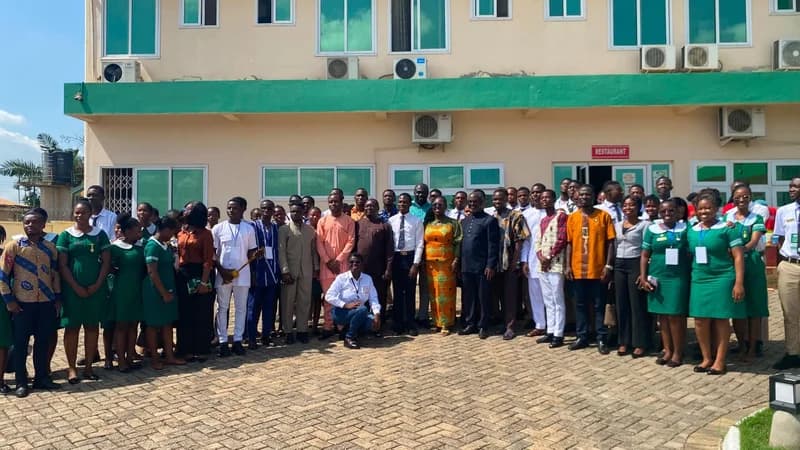
Ghana’s professional landscape is currently grappling with a dual crisis that threatens the health and stability of its workforce: the rising physical insecurity of healthcare workers and the insidious growth of burnout among high-performing professionals. The Ghana Nurses-Midwife Trainees Association (GNMTA) recently raised a red flag over increasing physical assaults on nurses and midwives, while workplace experts warn that corporate performance metrics are masking a mental health epidemic. Together, these issues highlight a critical need for systemic reforms to protect both the physical safety and psychological wellbeing of workers across the nation.
The urgency of physical safety was brought to the forefront during the 33rd Annual Delegates Congress of the GNMTA, following a distressing incident where a nurse at the Tema Community 22 Polyclinic was allegedly assaulted by a patient’s relative. GNMTA President Abankwa Takyiawa emphasized that such violence not only compromises healthcare delivery but also deters young people from entering the profession. Beyond safety concerns, the association highlighted administrative hurdles, such as difficulties with national service registration, and encouraged graduates to explore entrepreneurial ventures as government employment becomes increasingly competitive and slow to secure.
Simultaneously, a quieter but equally damaging crisis is unfolding within Ghana’s corporate and professional sectors. Despite receiving stellar performance reviews, many high-achieving professionals are suffering from severe burnout, often hidden behind excellent output. Current organizational structures often reward high productivity while ignoring the emotional exhaustion that frequently precedes a total collapse. Cultural stigmas surrounding vulnerability and a lack of mental health resources in Ghana further exacerbate the problem, as ambitious workers often feel compelled to hide their struggles to maintain their professional standing.
To address these multifaceted challenges, experts and associations are calling for a fundamental shift in how organizations and the state value human capital. For the healthcare sector, this involves implementing robust security measures in clinics and fostering public respect for medical staff to ensure a safe working environment. In the broader professional world, there is a push to reform performance reviews to include sustainability metrics and separate wellbeing evaluations from productivity assessments. By training managers to identify burnout early and ensuring the safety of those on the frontlines of care, Ghana can build a more resilient and sustainable workforce capable of meeting the country’s future demands.
This story touches markets covered on Anansi Intelligence ↗.
More from health
Continue exploring similar stories


