••
Ghana Institute of Geoscientists and Regional Maritime University Spearhead National Flood Resilience and Education Initiatives
•3 min read•5 sources
Ghanaian academic and professional institutions are intensifying efforts to combat the recurring menace of flooding and landslides through a combination of scientific research and community action. The Ghana Institute of Geoscientists (GhIG) has officially launched the "Geoscience for a Safer Ghana" initiative, while the Regional Maritime University (RMU) has mobilized its student body and staff for a massive national cleanup exercise. Both initiatives underscore a growing shift toward proactive disaster management and the integration of specialized knowledge into national safety strategies following recent devastating environmental events.
The GhIG initiative, "Geoscience for a Safer Ghana," seeks to address the root causes of environmental disasters using evidence-based planning. As part of its immediate recommendations, the Institute is calling for rapid geohazard mapping in severely affected districts and the inclusion of geoscientists in all disaster damage assessment teams. Crucially, GhIG has proposed a temporary suspension of development permits in known flood-prone areas and on unstable slopes until comprehensive scientific assessments can be conducted to prevent further loss of life and property.
To bridge the gap between scientific expertise and public awareness, GhIG has scheduled a series of educational engagements throughout July 2026. This includes the publication of specialized articles on geosciences and a public webinar set for July 29, 2026, at 6:00 PM GMT. The Institute emphasizes that "understanding the earth is the first step towards living safely upon it," aiming to move the national conversation beyond immediate relief efforts toward long-term resilience and a better understanding of the geological factors that contribute to flooding.
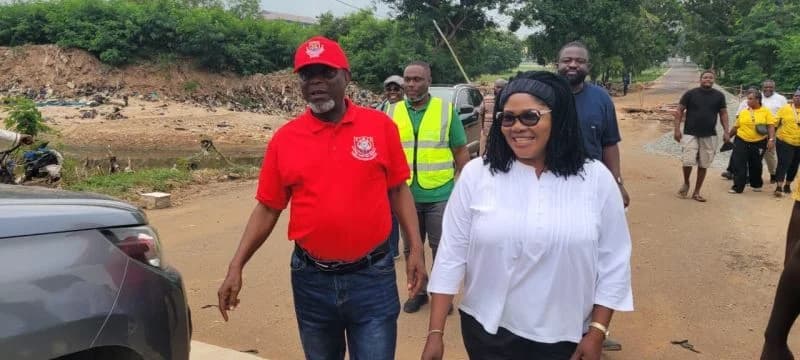
Complementing these technical measures, the Regional Maritime University recently demonstrated the importance of community involvement by participating in the National General Cleaning Exercise. Led by Acting Vice-Chancellor Dr. Jethro W. Brooks Jr., students and staff engaged in desilting drains and clearing refuse across the campus and its surrounding areas. Dr. Agnes Naa Momo Lartey, the Minister for Gender, Children and Social Protection, commended the university’s efforts, noting that such institutional commitment is vital for sustaining a culture of sanitation that helps mitigate flood risks during the rainy season.
These collective efforts represent a unified front by Ghana’s educational and professional sectors to address environmental vulnerabilities. By combining the technical rigor of geohazard mapping with the practical impact of community sanitation and public education, these institutions are setting a blueprint for national disaster readiness. As the GhIG continues its month-long awareness campaign, the focus remains on ensuring that scientific research translates into actionable policies that protect Ghanaian citizens from future environmental crises.
This story touches markets covered on Anansi Intelligence ↗.
More from education
Continue exploring similar stories


