••
Ghana’s Agricultural Sector Under Siege: Mining Crackdown Leads to 12 Arrests as Advocates Warn of Rising Food Insecurity
•3 min read•7 sources
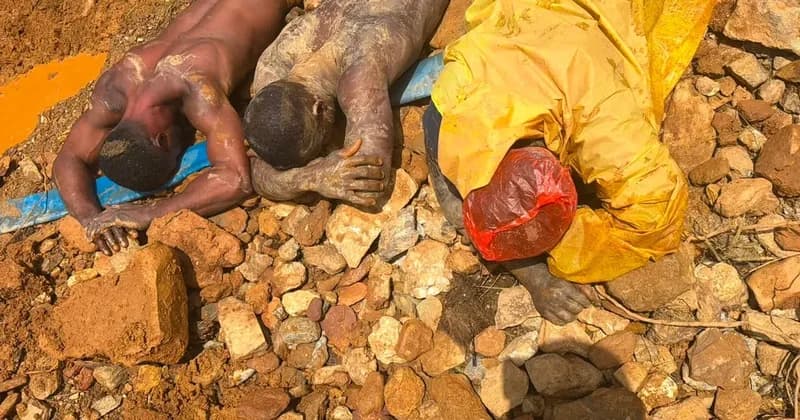
Ghana’s agricultural foundation is facing an unprecedented threat as illegal mining, popularly known as galamsey, shifts from an environmental crisis to a direct assault on national food security. Agricultural advocates and environmental groups are warning that the rapid destruction of fertile farmlands and the pollution of vital water bodies are disrupting the food supply chain and driving up market prices. Enyonam Manye, CEO of The Ghanaian Farmer, has called for a paradigm shift in national policy, demanding that agricultural lands receive the same level of legal protection as mineral resources. She emphasized that neglecting these lands not only destroys livelihoods but jeopardizes the long-term health and economic stability of the nation.
Supporting these concerns, the Ghana Youth Environmental Movement (GEM) highlighted the dire situation in communities such as Asiakwa in the Eastern Region. Once a self-sufficient hub for staples like cassava and plantain, the area is now increasingly dependent on external food supplies as indigenous farmlands are swallowed by mining pits. GEM National Coordinator Glory Emmanuella Appiah noted that this transition from farming to mining is eroding the local agricultural base, forcing residents to pay higher prices for basic necessities. To combat this, advocates are urging the government to invest in sustainable economic alternatives for the youth, such as mushroom farming and regenerative agriculture, to reduce the economic allure of illegal mining.
In a parallel effort to curb this devastation, law enforcement and the Forestry Commission have intensified operations in protected areas. Recent enforcement actions in the Bosomtwe Range Forest Reserve in the Ashanti Region led to the arrest of 12 suspected illegal miners. During a two-day operation conducted by the Bekwai Forest District, authorities seized heavy machinery, including excavators and various mining equipment. The suspects were subsequently remanded into police custody by the Bekwai Circuit Court and are scheduled for further proceedings in August 2026. While the operation was a success, authorities continue to search for suspected leaders, including one Abena Ahenkan, who managed to escape during the raid.
As the administration of President John Mahama continues to grapple with these environmental and economic challenges, the consensus among stakeholders is that enforcement alone is insufficient. While the recent arrests in the Ashanti Region signal a commitment to protecting natural resources, advocates argue that a more comprehensive strategy is required to safeguard the country’s food future. This includes the strict enforcement of land-use laws, greater investment in irrigation for affected farmers, and a national recognition that fertile soil is as valuable as the gold beneath it. Without urgent intervention, the synergy of land loss and rising production costs could leave Ghana increasingly vulnerable to food shortages.
This story touches markets covered on Anansi Intelligence ↗.
Related topic
John Mahama: Latest News & Updates →Live rates
Ghana gold price →More from africa
Continue exploring similar stories


