••
Ghanaian Health Experts and CSOs Demand Stricter Food Safety Standards and Enhanced Child Protection Systems
•3 min read•3 sources
Health advocacy in Ghana has intensified as civil society organizations (CSOs) and public health experts raise alarms over food safety and childhood injury prevention. From the presence of harmful pesticide residues in everyday vegetables to the rising tide of non-communicable diseases (NCDs) linked to processed foods, stakeholders are calling for urgent government intervention and policy shifts. These concerns were highlighted in several recent reports and workshops aimed at securing a healthier future for the Ghanaian population, particularly children.
A recent study by the Centre for Indigenous Knowledge and Organisational Development (CIKOD), conducted in collaboration with the Ghana Standards Authority, revealed that over 66% of cabbage and okra samples sold in Ghanaian markets contain pesticide residues far exceeding acceptable limits. Wilberforce Laate, CIKOD’s Director of Programmes, warned of the significant long-term health risks associated with chronic exposure to these chemicals. To mitigate this threat, CIKOD is urging the government and farmers to transition toward agro-ecological farming practices, which prioritize natural processes and safer food production for consumers.
Simultaneously, a coalition of advocacy groups, including SEND Ghana, VAST Ghana, and the Ghana Academy of Nutrition and Dietetics (GAND), is pushing for the mandatory implementation of Front-of-Pack Warning Labels (FOPWL) on packaged foods. Based on the World Health Organization’s Nutrient Profile Model, these easy-to-read labels would alert consumers to high levels of sugar, salt, and saturated fats. The CSOs argue that with NCDs on the rise due to urbanization and the availability of ultra-processed foods, these labels are essential to empower Ghanaians to make healthier dietary choices, following successful precedents set in countries like Chile and Mexico where unhealthy food purchases declined significantly.
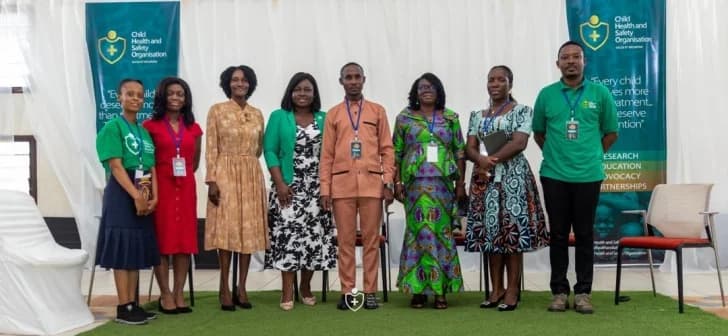
Beyond nutritional safety, the Child Health and Safety Organisation (CHSO) has convened stakeholders to address the high rate of preventable childhood injuries in Ghana. During a workshop held on the Day of the African Child, CHSO founder Samuel Frimpong and Dr. Abigail Amankwa-Boateng stressed that many injuries occurring in schools and communities could be avoided through better surveillance and safety education. Participants committed to a unified national strategy to enhance safety protocols, shifting the national culture from one of reaction to one of prevention. These recommendations are expected to guide policy efforts leading up to the CHSO World Children's Day Summit in November 2026.
Together, these developments underscore a critical need for a coordinated national approach to public health that encompasses both legislative action and community-level education. Whether through the regulation of agricultural chemicals, the enforcement of food labeling standards, or the protection of children from physical harm, the goal remains the same: a more robust safety net for the Ghanaian public. As draft policies for food labeling and safety protocols undergo review, the focus now turns to the government’s willingness to implement these life-saving measures.
This story touches markets covered on Anansi Intelligence ↗.
More from health
Continue exploring similar stories


