••
Ghana Intensifies Fight Against Period Poverty with Regional Sanitary Pad Distributions and Health Education
•2 min read•9 sources
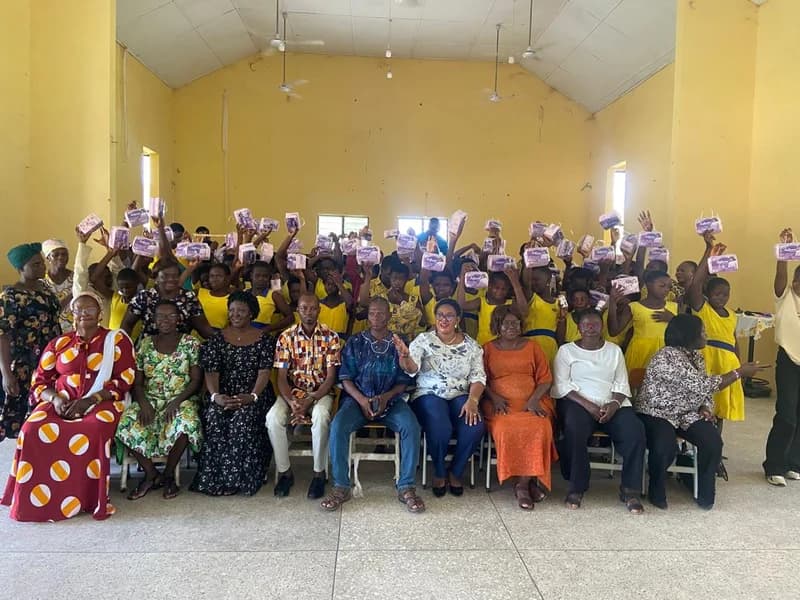
Across Ghana, major corporate entities and non-governmental organizations have intensified efforts to combat period poverty and stigma to mark World Menstrual Hygiene Day. Leading the nationwide drive, the Development Bank Ghana (DBG) distributed 10,000 sanitary pads to schoolgirls in the Northern, Upper East, Ashanti, and Greater Accra regions. This corporate social responsibility initiative, themed "Together for a Period-Friendly World," aims to ensure that no girl misses school due to a lack of access to menstrual products. DBG’s Head of CSR, Ms. Barbara Anawonu Wricketts, alongside officials from the Special Lady Foundation, emphasized that early education is critical to debunking cultural misconceptions and supporting girls' dignity during their menstrual cycles.
In the Upper West Region, the National Youth Authority (NYA) and Capacity Enhancement and Community Support (CAPECS Ghana) organized a specialized program in Wa. Focusing on the theme "Empowering the Marginalised Girls with the Right Menstrual Information for Stress Free Period," the event targeted students from the Wa Methodist School for the Blind and St. Paul’s Methodist School. Mrs. Vida Addi, the NYA’s Upper West Regional Director, highlighted that proper menstrual hygiene is not just a health issue but a factor in reducing discrimination and improving educational outcomes. Beyond the distribution of pads to over 100 girls, the session provided practical demonstrations on usage and nutrition education for managing periods effectively.
Furthering the reach of these initiatives, Kastone Records donated 20 boxes of sanitary pads to female students at the University of Technology and Applied Sciences (UTAS) during a combined health forum on menstrual hygiene and cervical cancer. Michael Adangba and Alexander Naaga Bombande of Kastone Records noted that providing these essentials is a direct investment in the academic performance and long-term empowerment of young women. Madam Lucinda Wesoamo Pwavia, the UTAS Women’s Commissioner, expressed gratitude for the support while stressing that societal stigmas around menstruation remain a significant barrier to gender equality in education.
Common across these various interventions was a strong call for sustained collaboration among stakeholders to mitigate the high costs of menstrual products, which frequently impact school attendance. Beneficiary students across the regions urged the government and private sector to provide ongoing assistance, rather than one-off donations. By integrating health education with practical supplies, these organizations are working toward a future where menstruation is managed with confidence and without the burden of financial or social stress, ultimately ensuring that education remains accessible to all Ghanaian girls.
This story touches markets covered on Anansi Intelligence ↗.
More from health
Continue exploring similar stories


