••
Ghana’s Educational Infrastructure Gaps Trigger Urgent Philanthropic and Community Interventions Across Basic and Tertiary Levels
•2 min read•5 sources
Ghana’s education sector is currently grappling with significant infrastructure deficits that are hindering student enrollment, sanitation, and the quality of teaching. Across the country, from basic schools to teacher training colleges, a pattern of stalled government projects and resource shortages has emerged, forcing local chiefs, religious organizations, and the Ghanaian diaspora to intervene. These challenges are particularly acute in the Kpone Katamanso Municipality and the Central Region, where the lack of basic furniture and sanitary facilities has created difficult learning environments for thousands of students.
At the Sasabi KKMA Community School, despite the successful construction of a new classroom block by The Church of Jesus Christ of Latter-day Saints, pupils are still struggling due to a complete lack of desks and laboratory equipment. School authorities and teachers have issued urgent appeals for help as the new academic year begins, noting that empty classrooms cannot support effective STEM education. Similarly, at Fettehman Senior High School, a sanitation crisis that saw students resorting to open defecation after a 2019 government toilet project stalled has finally been addressed by the Omanhene of Gomoa Fetteh, Nana Kwasi Kwaansah, who funded the construction of two 10-seater toilet facilities.
The infrastructure crisis extends into tertiary education, where St. Joseph’s College of Education in Bechem reports being unable to admit more qualified female applicants due to a shortage of hostel accommodation. Dr. Isaac Godfred Antwi, the Vice Principal, has called on the Ghana Education Trust Fund (GETFund) to resume work on several abandoned projects on campus. This sentiment was echoed by traditional leaders, including Asiwobour Osei Bonsu III, who emphasized that the college’s capacity for teacher training is being severely limited by these physical constraints, despite a growing demand for admissions.
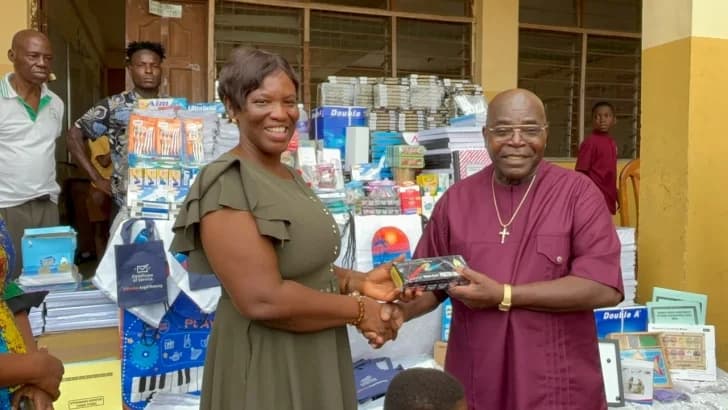
In a positive turn for some basic schools in Accra, Samuel Quansah Quarcoo, a U.S.-based retired mathematics teacher, has donated educational materials worth $38,000 to four schools. The donation, which included computers, television sets, and books, highlights a growing reliance on individual philanthropy to bridge the technological divide in Ghanaian schools. As the government faces pressure to complete abandoned projects, these combined efforts from community leaders and philanthropists remain the primary drivers for improving educational outcomes and maintaining school attendance across the nation.
This story touches markets covered on Anansi Intelligence ↗.
More from education
Continue exploring similar stories


