••
Ghana Activates Ebola Surveillance as DRC Outbreak Surpasses 5,000 Cases
•2 min read•3 sources
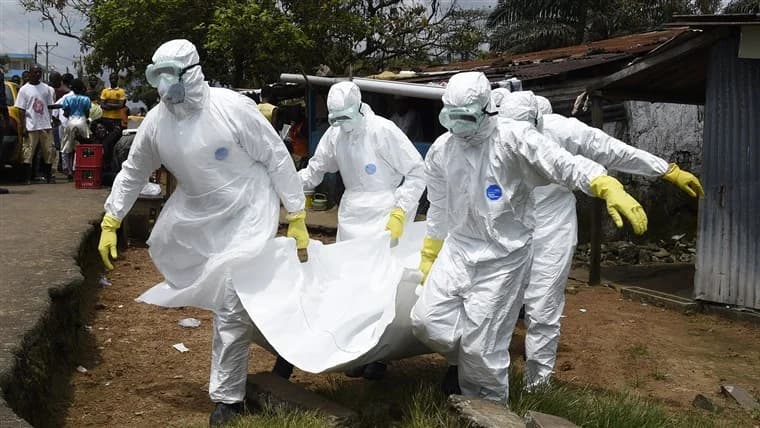
Ghana has heightened its national health surveillance systems following a significant surge in Ebola cases in the Democratic Republic of Congo (DRC). Health Minister Kwabena Mintah Akandoh announced the activation of screening protocols at all major entry points and health facilities across the country to prevent the potential importation of the virus. This proactive response comes as official data from the DRC confirms that the current outbreak—the 17th in that nation's history—has exceeded 5,000 cases, surpassing the records set during the 2018-2020 epidemic.
The situation in Central Africa is particularly critical due to the specific strain of the virus involved. This outbreak is caused by the Bundibugyo species of Ebola, which currently lacks approved vaccines or specialized treatments. With the death toll in the DRC now standing at 2,378, health officials are facing immense challenges, including a fragile healthcare infrastructure and localized community resistance. These factors have necessitated a high state of alert in West African nations like Ghana to ensure early detection and containment.
To bolster domestic readiness, the Ministry of Health is collaborating with the Noguchi Memorial Institute for Medical Research to enhance testing and diagnostic capabilities. Minister Akandoh emphasized that the goal is to ensure that any suspected cases are identified immediately upon entry into the country. He underscored that the activation of these surveillance systems is essential for safeguarding public health and ensuring that medical personnel are prepared to execute isolation and management protocols without delay.
Beyond immediate containment, Minister Akandoh has called for a broader strategy of regional cooperation among African nations. He advocated for increased information sharing and the exchange of technological expertise through the Africa CDC to foster a unified response to health threats. Furthermore, the Minister stressed the importance of investing in local pharmaceutical production to reduce Africa's dependency on external health supplies. By strengthening local manufacturing and regional coordination, the Minister believes the continent will be better equipped to manage and mitigate the impact of future infectious disease outbreaks.
This story touches markets covered on Anansi Intelligence ↗.
More from health
Continue exploring similar stories


