••
World Health Organization Alarms as Ebola Outbreak Spreads Across DR Congo; Ghana Activates Emergency Surveillance
•2 min read•10 sources
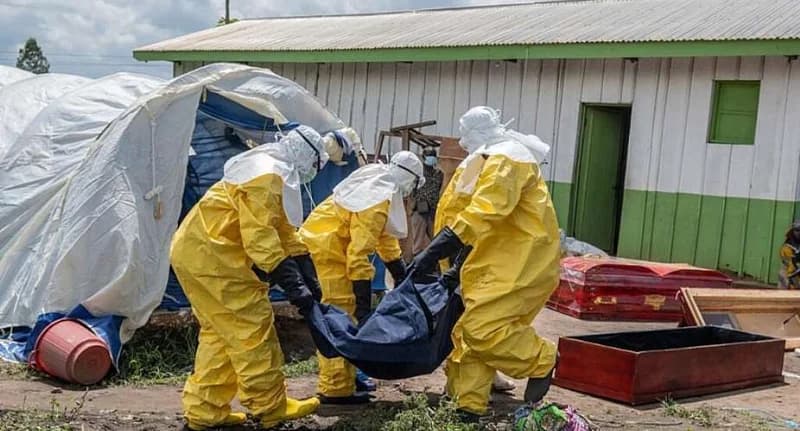
The World Health Organization (WHO) has declared an international health emergency as the Ebola outbreak in the Democratic Republic of Congo (DRC) continues to escalate, spreading into new health zones and displacement camps. Since the outbreak was declared on May 15, 2023, there have been 676 confirmed cases and 136 deaths, primarily in the provinces of Ituri, North Kivu, and South Kivu. The situation is particularly concerning due to the identification of the Bundibugyo ebolavirus strain, for which no approved vaccines or specific treatments currently exist. This lack of medical countermeasures, combined with cramped conditions in displacement camps, has heightened fears of rapid contagion and a broader regional crisis.
Efforts to control the virus are being severely hampered by a combination of ongoing conflict, poor infrastructure, and widespread misinformation. In Ituri province, health officials report that community mistrust and false information have led to late treatments and significant difficulties in contact tracing. To combat this, the Congolese government has launched social media campaigns to counter rumors, while UNICEF has raised alarms regarding rising household transmission, particularly among children. The WHO and local health workers emphasize that establishing community trust and improving isolation capacity are critical steps to curbing the spread in these volatile regions.
In response to the crisis, the United States has pledged over $200 million to support the Ebola response in both the DRC and Uganda, which has recorded 19 cases and two deaths linked to the outbreak. US Chargé d'affaires Rolf Olson, speaking in Accra, noted that these funds are being directed toward disease detection at airports and border crossings. This financial commitment is part of a larger €445 million international plan aimed at mobilizing an emergency network of health workers and volunteers to contain the virus before it spreads further across the continent.
Closer to home, the Ghanaian government has activated enhanced surveillance and isolation systems at key border posts to mitigate the potential threat of the virus reaching West Africa. Deputy Minister of Health, Dr. Grace Ayensu-Danquah, recently conducted a tour of border points to assess readiness, emphasizing the state's duty to safeguard public health. While existing protocols for screening are in place, the Deputy Minister acknowledged critical gaps, including shortages of staffing and Personal Protective Equipment (PPE). The government is currently working to fortify these defenses, reflecting a proactive stance as the international community remains on high alert.
This story touches markets covered on Anansi Intelligence ↗.
More from health
Continue exploring similar stories


