••
Advancing Healthcare in Ghana: From Digital Medicine Tracking to Breakthrough Cancer Diagnostics and Social Protection
•3 min read•5 sources
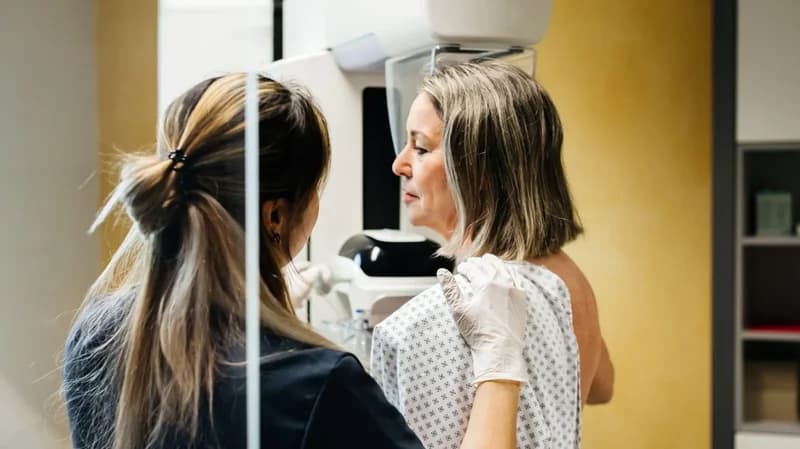
Ghana's healthcare and social protection landscape is undergoing a significant transformation through digital innovation, medical breakthroughs, and expanded support services for the vulnerable. Central to these developments is the launch of the Inyabon MedSync Project in Northern Ghana, a digital health initiative spearheaded by the Zomujo Foundation. Supported by Grand Challenges Canada and the Canadian government, this project utilizes a USSD and SMS-based platform across 20 health facilities to provide real-time visibility into medicine stock levels. By addressing chronic inefficiencies and shortages in the supply chain, the project aims to ensure that essential medications are consistently available at CHPS compounds and hospitals, directly improving patient care in underserved regions. Parallel to these local infrastructure improvements, a major international study led by University College London has introduced a breakthrough in oncology that could fundamentally change breast cancer treatment in Ghana and beyond. The research highlights the effectiveness of the Prosigna DNA test, which identifies patients who can safely avoid chemotherapy in favor of hormone therapy. The trial, involving over 4,000 participants, found that more than two-thirds of patients could opt out of chemotherapy without significantly impacting five-year survival rates—93.7% for those avoiding chemo versus 94.9% for those receiving it. This shift toward personalized medicine offers the potential to spare thousands of patients annually from the debilitating side effects of traditional chemotherapy.On the domestic front, the Ghanaian government has strengthened its social health framework by commissioning a new shelter for survivors of domestic and gender-based violence. Introduced by Minister Agnes Naa Momo Lartey, the facility offers safe accommodation, legal assistance, and rehabilitation programs designed to help survivors address the emotional and economic challenges of abuse. While UNICEF and other stakeholders have praised the initiative, they emphasize the need for sustainable funding and preventive measures to ensure long-term impact. This commitment to physical and emotional safety is a critical component of the nation's broader social protection strategy.Finally, efforts to enhance emergency response and public safety have seen a boost through a donation from the Ghana National Bureau to the Police Motor Traffic and Transport Department (MTTD). The Bureau provided 300 body bags and reflector vests to improve the capacity of the police in managing road-related emergencies. Alongside this donation, a public education campaign was launched to promote the ECOWAS Brown Card Insurance Scheme, which ensures compensation for accident victims across the region. Together, these diverse initiatives—ranging from high-tech medical diagnostics to grassroots social support—signal a comprehensive effort to improve the health, safety, and well-being of all Ghanaians.
This story touches markets covered on Anansi Intelligence ↗.
More from health
Continue exploring similar stories


