••
Ghana Completes Debt Restructuring Milestone Amid Surging Treasury Bill Demand and Currency Fluctuations
•2 min read•9 sources
The Government of Ghana has successfully reached a definitive milestone in its external debt restructuring process following the settlement of the Savings and Development Economic Recovery Agreement (SADEREA) Notes on July 13, 2026. This critical exchange, which involved replacing outstanding notes with new Ghanaian securities, effectively concludes the sovereign bonded debt restructuring initiated after the country's 2022 default. The Ministry of Finance noted that the settlement, involving approximately $117.8 million, aligns with broader efforts to restore debt sustainability and investor confidence, building on the momentum of a recent $700 million Eurobond obligation settlement completed ahead of schedule.
This progress on the international stage is mirrored by strong domestic performance, as the government recently exceeded its treasury bill auction target by raising GH¢7.392 billion against a GH¢5.67 billion goal. Despite this high investor interest, particularly in the 364-day bills, finance analyst Nelson Cudjoe Kuagbedzi has issued a stern warning against returning to a cycle of unsustainable borrowing. Kuagbedzi emphasized that while the successful restructuring marks a victory for the capital market, long-term macroeconomic stability depends on maintaining strict fiscal discipline and learning from past mismanagement to prevent a recurrence of the debt crisis.
However, the broader economy continues to face headwinds as the Cedi recorded a slight depreciation against major global currencies in mid-July. For the week ending July 9, the Cedi lost nearly 0.50% of its value against both the US Dollar and the British Pound, with forex bureau rates reaching GHS 12.25 for sales by July 14. Amidst these currency shifts, the Ghana Statistical Service (GSS) is set to release a key report on Informal Cross-Border Trade on July 15. The report aims to quantify trade volumes with neighbors like Togo and Côte d’Ivoire that often occur outside formal customs registers, providing essential data for future economic planning.
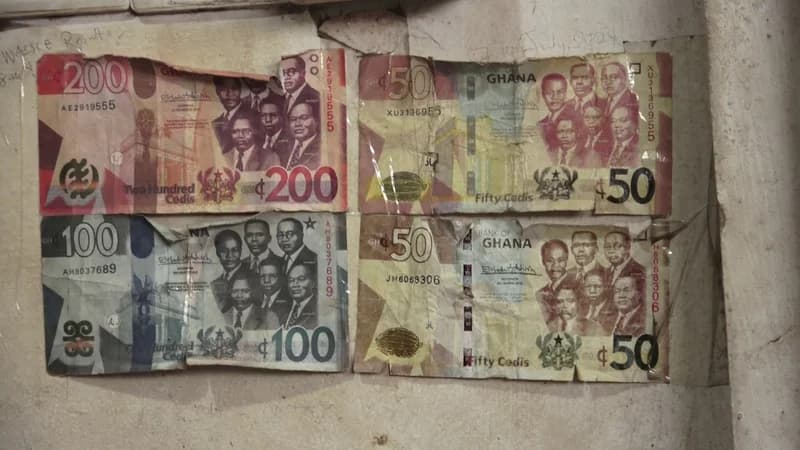
While macro indicators show resilience, the retail sector is battling a surge in financial fraud that threatens local commerce. Many traders have reported significant losses from counterfeit currency and fraudulent mobile money alerts, particularly during peak trading hours. This rise in scams has created a wave of skepticism toward digital payments, prompting calls for more aggressive law enforcement. As Ghana moves past its debt restructuring phase, the focus must now shift to securing the domestic trade environment and ensuring that fiscal gains translate into a safe and stable marketplace for all citizens.
This story touches markets covered on Anansi Intelligence ↗.
Live rates
Pound to cedi rate →More from business
Continue exploring similar stories


