••
Ghana Bolsters National Security and Social Protections as Customs Intercept Illegal Firearms and Ammunition
•3 min read•13 sources
On September 25, 2026, the Ghana Revenue Authority (GRA) intercepted a significant cache of illegal weaponry at the Golden Jubilee Terminal. The seizure included 610 rounds of ammunition, an assault rifle, and two pistols concealed within personal effects arriving from the United States. Deputy Commissioner Florence Asante emphasized that this discovery has triggered intensified examination protocols at national ports to prevent illegal imports. This incident underscores a broader national push for heightened security, coinciding with aggressive efforts by police in Kasoa and Asutifi North to dismantle narcotics networks. In Kasoa, suspects Asando Asankiba and Beatrice Amegashie were arrested with "Green Gold" branded parcels, while seven others were apprehended in Kenyasi during a night operation targeting criminal hideouts and unregistered motorbikes.
Parallel to security enforcement, the government has launched the Ghana Child Labour Monitoring System (GCLMS), a digital framework designed to track and manage child labor cases in high-risk sectors such as mining and agriculture. According to the International Labour Organization (ILO), the system’s interoperability will foster better coordination between agencies. Accountability also took center stage in Tema, where local native Richster Nii Amarh Amarfio petitioned the Economic and Organized Crime Office (EOCO) to investigate a GH₵889,000 payment by Sonite Ghana Limited. The petition alleges potential fraud involving individuals claiming to represent traditional leadership in land-related disputes, raising serious questions about legitimacy and community representation.
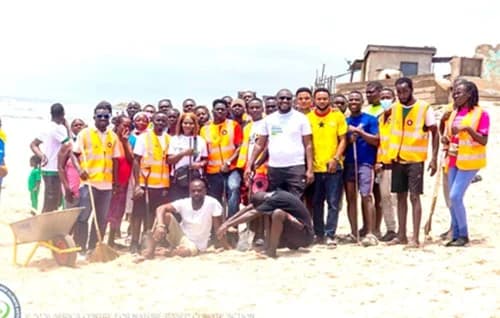
Environmental sustainability remains a core priority, reflected in recent community actions and high-level directives. Jerry Yao Ameko, the District Chief Executive for Adaklu, declared that the district will no longer be a safe haven for environmental degradation, urging strict enforcement of sanitation bylaws in alignment with President John Mahama’s national health initiatives. This sentiment was echoed at the conclusion of the 14th Ghana Garden and Flower Show at Efua Sutherland Children’s Park, where organizers called for horticulture to be treated as a major economic engine. Furthermore, the Africa Centre for Nature-Based Climate Action (AC4NCA) led a clean-up at Chorkor beach, mobilizing volunteers and partners like the Jospong Group to combat marine pollution.
In the regions, public safety concerns have sparked both outrage and official clarifications. Residents of Suminakese are mourning the brutal murder of 85-year-old landlady Maame Asatewaa, allegedly killed by a tenant after her requests for police protection were reportedly unheeded. Meanwhile, in Accra, the Ghana Police Service has officially disputed claims by MP Kwame Asare Obeng that Teshie is the country's most dangerous community, with Station Officer Chief Inspector Francis Larbi asserting that the area is not classified as such by the police. These local developments occur as the US Embassy focuses on the next generation, hosting a screening of "Young Washington" for students at Accra Girls Senior High School to foster leadership and resilience among Ghanaian youth.
Finally, the nation reflects on the legacy of its elders with the announcement of the passing of Maame Comfort Jehu-Appiah at the age of 96. A pillar of the Musama Church and the Jehu-Appiah family, her funeral rites are scheduled for mid-October in Mozano. As Ghana navigates these complex layers of security threats, institutional modernization, and community loss, the focus remains on building a resilient social fabric. From the port inspections to digital monitoring systems, authorities are signaling a proactive stance against both modern crime and systemic social challenges to ensure long-term national stability.
Related topic
Ghana Customs Recruitment: Latest News & Updates →Live rates
Ghana gold price →

