••
Ghana Concludes $3bn IMF Programme; Shifts Focus to ‘The New Economy’ and Job Creation
•2 min read•6 sources
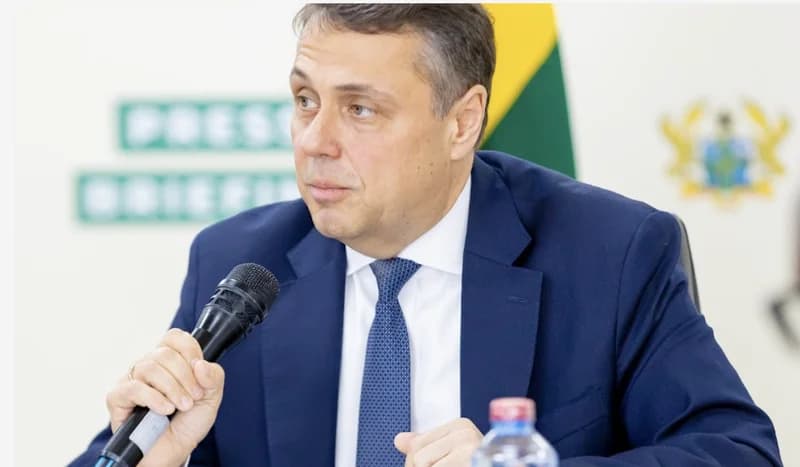
Ghana has successfully reached the final stages of its three-year, $3 billion Extended Credit Facility (ECF) arrangement with the International Monetary Fund (IMF), signaling a transition from crisis-driven austerity toward a growth-oriented fiscal strategy. This milestone includes the IMF Board's final review and the anticipated approval of a final disbursement of over $318 million. As the ECF concludes, the nation is transitioning into a new 36-month Policy Coordination Instrument (PCI). This non-financial agreement is designed to anchor macroeconomic stability while the government implements the next phase of its structural reform agenda.
IMF Mission Chief Ruben Atoyan highlighted significant improvements in Ghana’s economic indicators during the program, which began in May 2023. Key achievements include the stabilization of inflation, bolstered international reserves, and restored confidence in the national currency. These improvements have sparked a surge in investor interest, with the IMF reporting increased engagement from international partners. Finance Minister Dr. Cassiel Ato Baah Forson noted that the government’s focus is now shifting toward stability, resilience, and the launch of "The New Economy," a flagship initiative aimed at fostering sustainable job creation and economic development.
Despite these gains, the IMF has cautioned that several unresolved risks could threaten the nation's progress. Major vulnerabilities include the financial health of state-owned enterprises (SOEs)—particularly the Electricity Company of Ghana—and the volatility of global commodity prices like gold and cocoa. Mr. Atoyan emphasized the importance of maintaining strict expenditure controls and urged the government to seize the hard-won fiscal space to drive strategic investments. The new PCI framework is specifically intended to strengthen fiscal institutions and provide a safeguard against future economic shocks.
Moving forward, the successful exit from the loan-supported program marks a critical juncture for Ghana’s business environment. By leveraging the fiscal flexibility gained through years of discipline, the government aims to prioritize development projects that insulate the economy from external volatility. The coming months will be defined by how effectively these policy benefits are deployed to stimulate the private sector and ensure that the benefits of macroeconomic stabilization are felt across the broader Ghanaian workforce.
This story touches markets covered on Anansi Intelligence ↗.
Live rates
Ghana gold price →More from business
Continue exploring similar stories

