••
COCOBOD Launches 3,000 New Scholarships for Farmers’ Wards Amid Protest from Ghanaian PhD Students in the UK
•3 min read•2 sources
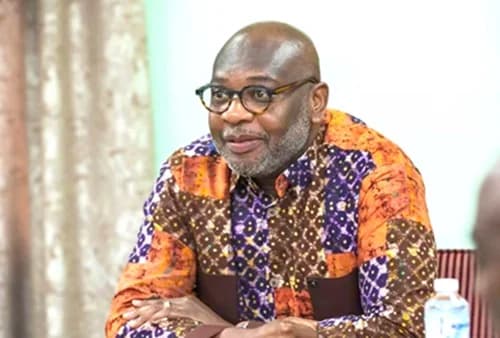
Ghana’s education and agricultural sectors are witnessing a significant shift in welfare management as the Ghana Cocoa Board (COCOBOD) prepares to launch a massive scholarship initiative for the children of cocoa farmers. This move, aimed at revitalizing interest in agriculture, arrives at a critical juncture for the nation’s scholarship programs. While domestic support for vocational and agricultural education is expanding, Ghanaian students pursuing advanced degrees abroad are voicing significant grievances regarding administrative hurdles and financial delays, highlighting a complex landscape for educational funding under the current administration of President John Mahama.\n\nUnder the leadership of CEO Dr. Ransford Abbey, COCOBOD is set to award scholarships to 3,000 wards of cocoa farmers starting the next academic season. The program is designed to scale rapidly, with a target of 9,000 beneficiaries by its third year. Crucially, the scheme is strictly reserved for the children of actual farmers, excluding COCOBOD staff to ensure fairness and transparency in selection. This initiative is a pillar of a broader welfare revamp tied to the upcoming Ghana COCOBOD Bill, 2026, which also seeks to introduce a pension scheme for farmers and punitive measures to protect cocoa farms from destruction. Dr. Abbey has emphasized that a technical committee will oversee the selection process to maintain the highest standards of equity.\n\nIn stark contrast to the optimism surrounding the new domestic scholarships, Ghanaian PhD students in the United Kingdom are in a standoff with the Ghana High Commission. These students, sponsored by the Ghana Scholarships Secretariat, have formally rejected a proposed mandatory oath-taking exercise, describing it as discriminatory and redundant. The student leadership argues that they have already fulfilled legal obligations by signing bond forms promising to return to Ghana after their studies. This bureaucratic friction is exacerbated by severe financial distress; many students report that they have not received tuition or stipend payments for months, leaving them in precarious positions abroad. They have called for a boycott of the oath-taking event and suggested that any necessary validation processes be moved online to save costs.\n\nThese developing stories reflect the challenges of managing educational investments in a transitional period. As the Mahama administration moves forward with the COCOBOD Bill, 2026, the success of these programs will likely depend on addressing the systemic issues within the Scholarships Secretariat. For cocoa-farming communities, the new scholarships represent a vital path toward sustainable development and intergenerational support. However, the resolution of the funding crisis for scholars in the UK remains a pressing priority to ensure that Ghana’s international academic reputation and its investment in high-level human capital are not compromised.
This story touches markets covered on Anansi Intelligence ↗.
Related topic
John Mahama: Latest News & Updates →More from education
Continue exploring similar stories


