••
Ghana Business Outlook: Cocoa Sector Secures Billions in Financing as Economic Confidence Doubles and Remittances Hit $7.8bn
•3 min read•13 sources
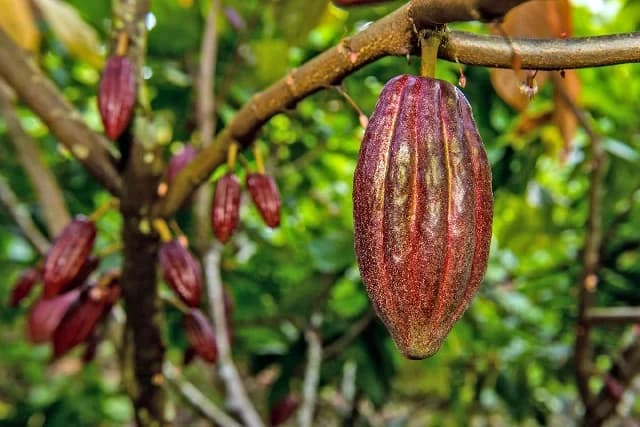
Ghana’s economic landscape is showing strong signs of recovery and strategic shifts as the country moves through 2025 and 2026. According to the latest Old Mutual Financial Wellness Monitor, confidence in the Ghanaian economy has more than doubled, rising from 22% to 48% among working professionals. This optimism is mirrored in the financial sector's aggressive support for the cocoa industry. Ghana, the world’s second-largest cocoa producer, has announced plans to raise $1 billion through local bonds to fund the 2026-27 harvest. This strategy, structured in three tranches of $330 million, aims to reduce reliance on international loans and minimize foreign exchange risks. Complementing this, Access Bank Ghana, in partnership with the International Finance Corporation (IFC), has budgeted GH"1 billion for 2025 to support cocoa-licensed buying companies and agribusinesses, offering loans at interest rates as low as 4%.
While macro-level confidence is rising, individual financial planning remains a challenge for many Ghanaians. The Old Mutual report highlights a significant gap in retirement readiness; while 92% of workers acknowledge the necessity of saving for the future, only 33% are actively doing so. Many younger Ghanaians are turning to "poly-jobbing"—holding multiple roles—to diversify income amid lingering job insecurity. Despite these personal financial hurdles, institutional liquidity is improving. The National Health Insurance Authority (NHIA) recently disbursed over GH"157 million in claims to healthcare providers in April 2026. This payment, which cleared debts dating back to 2019, is intended to ensure uninterrupted service delivery under the NHIS, with private and high-volume facilities receiving the bulk of the funds to maintain operational stability.
In the trade and logistics sector, the Ghana Shippers" Authority (GSA) has intervened to provide temporary relief to businesses by postponing the implementation of revised Container Administrative Charges until July 1, 2026. Following consultations led by the Minister of Transport, a regulatory cap of GHS 720 per TEU has been set for both imports and exports. However, the Ghana Union of Traders Associations (GUTA) continues to push for a total removal of these fees. GUTA Vice President Joseph Paddy argues that Ghana"s port costs remain significantly higher than those in neighboring Togo and Ivory Coast, warning that excessive administrative charges and dollar-indexed fees are driving cargo away from Ghanaian ports and undermining regional competitiveness.
Looking ahead, Ghana is increasingly leveraging migration and the diaspora as pillars of national development. At the International Migration Review Forum 2026, officials revealed that remittance inflows reached approximately US$7.8 billion in 2025, accounting for nearly 6% of the national GDP. The National Development Planning Commission (NDPC) is now integrating migration into the national development framework to capitalize on these formal financial flows for poverty reduction. As the government continues to test investor confidence with local bond issuances and works to stabilize port costs, the combination of high remittance inflows and strategic agricultural financing provides a foundation for sustained economic growth through 2027.
This story touches markets covered on Anansi Intelligence ↗.
Live rates
Dollar to cedi rate →More from business
Continue exploring similar stories

