••
Council of State and National House of Chiefs Demand Permanent Solutions Following Fatal Flooding
•3 min read•9 sources
The Council of State and the National House of Chiefs have issued an urgent call for a comprehensive and permanent solution to Ghana's recurring flooding crisis. This appeal follows a series of devastating rainstorms in October 2023 that resulted in at least 12 fatalities and the displacement of thousands of residents, particularly in the Accra and Tema regions. During a meeting in Kumasi, the President of the National House of Chiefs, Ogyeahoho Yaw Gyebi II, expressed profound condolences to the affected families while emphasizing that the government must transition from reactive disaster management to proactive prevention to safeguard lives and property.
Central to the proposed reforms is the strict enforcement of planning and building regulations. The Council of State has urged local assemblies to rigorously implement building standards and halt all construction in flood-prone areas. The Council highlighted that illegal developments and poor drainage maintenance are primary drivers of the perennial disasters. To address these systemic issues, the Council recommended that the National Disaster Management Organisation (NADMO) be legally integrated into the planning of major infrastructure projects to conduct mandatory disaster risk assessments before construction begins. This move is intended to ensure that new developments do not exacerbate existing drainage challenges.
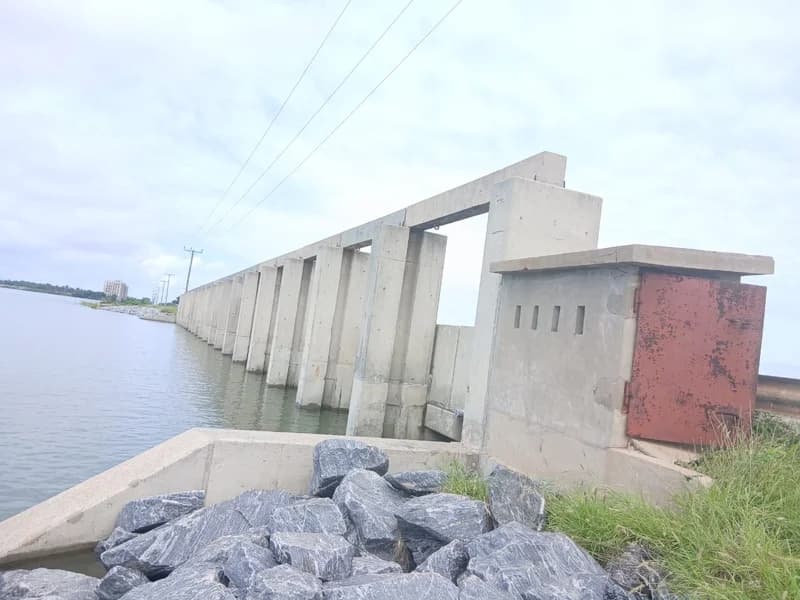
In immediate response to the crisis, local government bodies and professional associations have launched various relief and mitigation initiatives. The Accra Metropolitan Assembly (AMA), led by Mayor Michael Kpakpo Allotey, announced a month-long free refuse collection exercise to clear waste that often clogs drainage systems during heavy downpours. Additionally, the AMA introduced a WhatsApp reporting line for residents to flag waste accumulation issues. In the Volta Region, the Keta Municipal Assembly took technical steps to manage rising water levels by opening the Kedzi Azizadzi floodgates, a coordinated effort with the Volta River Authority (VRA) to release excess water from the Keta Lagoon into the sea.
Cultural and social organizations have also rallied to support the victims. The Musicians Union of Ghana (MUSIGA) expressed its solidarity with those affected, urging the public to maintain safe practices and assist in keeping community drainage systems clear. The union has also opened its regional offices to coordinate relief efforts and support for displaced families. As the nation grapples with these environmental challenges, the consensus among traditional authorities, state advisors, and local administrators is clear: the path forward requires a unified national strategy that prioritizes urban planning, effective sanitation, and the uncompromising enforcement of environmental laws.
