••
Ghana Mining Sector Faces Investment Risk Amid Global Energy Volatility and Shifting Diamond Markets
•2 min read•8 sources
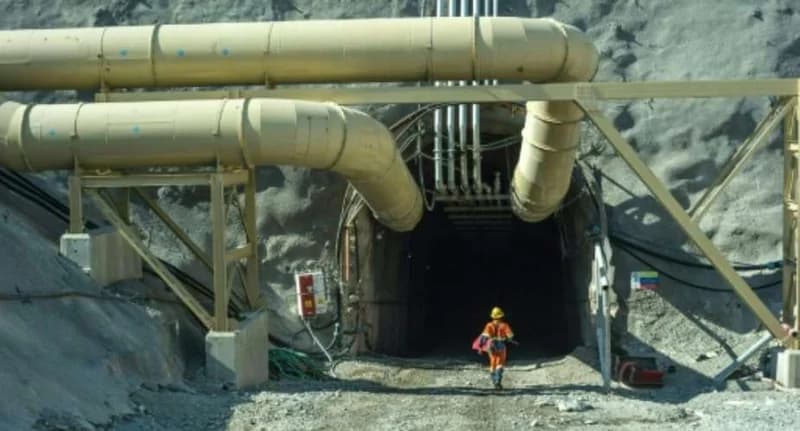
The Ghana Chamber of Mines has issued a stern warning that uncertainty regarding mining lease renewals is now the primary threat to Ghana's status as Africa’s leading mining investment destination. Speaking at the Mining for Development Forum in Accra, CEO Dr. Ken Ashigbey emphasized that while high tax rates are a concern, the lack of security in tenure is more damaging to investor confidence. The Chamber argued that the predictability once guaranteed by the Minerals and Mining Act of 2006 is being eroded, which raises the country's risk profile and makes it increasingly difficult for both local and foreign firms to secure long-term financing.
To safeguard the industry, industry leaders are calling for a robust national mining strategy that shifts the focus from simple extraction to local value retention. Dr. Ashigbey and Emmanuel Kwamena Anyimah of the Minerals Commission highlighted the need for increased domestic participation in the mining value chain, including local manufacturing and enhanced research capabilities. This call for internal stability comes at a time of mixed fortunes for the African extractive sector; while Ghana grapples with policy uncertainty, Nigeria has reported a 74-month high in crude oil production, reaching 1.56 million barrels per day in June and exceeding its OPEC quota through improved security in the Niger Delta.
On the global stage, the energy market is facing sharp volatility driven by geopolitical tensions. Oil prices recently surged by 4%, with Brent crude climbing to $79.11, following military strikes involving U.S. and Iranian interests. These developments have placed the security of the Strait of Hormuz—a critical oil transit point—in jeopardy. Eni CEO Claudio Descalzi has further warned that if Middle East conflicts persist, the global oil market risks breaking out of its current $80-$100 price range by early 2027, potentially triggering new inflationary pressures.
Meanwhile, the diamond sector is undergoing its own structural adjustment. De Beers announced a two-year production pause at South Africa's Venetia mine, the country’s largest, to manage costs amid competition from laboratory-grown gems and a shifting retail landscape. This move towards business resilience mirrors the broader challenges facing African resource-rich nations. As global markets react to war and technological shifts, the consensus among African industry experts remains that policy clarity and the ability to retain value within the national economy are the most vital tools for long-term economic stability.
This story touches markets covered on Anansi Intelligence ↗.
More from business
Continue exploring similar stories


