••
Ghana cedi appreciates against US dollar after GoldBod boosts liquidity
•2 min read•5 sources
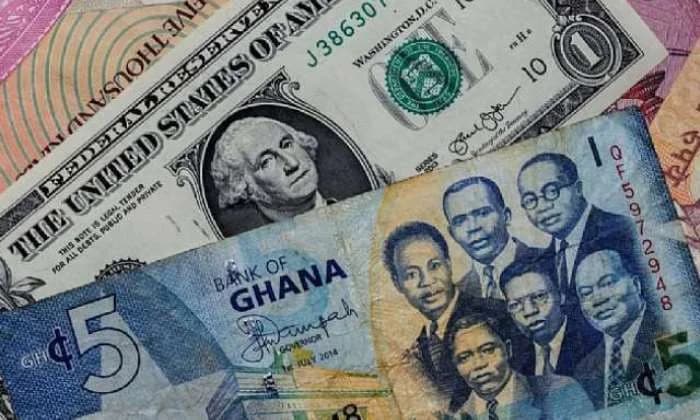
The Ghana cedi has recorded more than three consecutive weeks of appreciation against the US dollar, buoyed by a significant injection of foreign exchange from the Ghana Gold Board (GoldBod). This recovery follows a period of depreciation in late August and early September, as the Board moves to stabilize the local currency and enhance national reserves through an aggressive intervention strategy.
GoldBod has already conducted a US$130 million foreign exchange sale at a rate of GH‵11.60 per dollar to increase market liquidity. This is part of a larger US$1.5 billion intervention program, which includes plans to supply US$1 billion to authorized commercial banks and US$500 million to the Bank of Ghana by the end of October 2026. Under new foreign exchange intermediation frameworks, some estimates suggest the Board has already provided over US$500 million to the banking sector this month to meet commercial demand.
As of October 22, 2026, the interbank market showed the cedi trading at a buying rate of GH‵11.65 and a selling rate of GH‵11.66. At forex bureaus, the currency was trading at approximately GH‵11.95 for purchases and GH‵12.25 for sales, reflecting a steady daily gain. This improvement in liquidity has helped alleviate pressures previously caused by high dollar demand from the energy sector and seasonal business requirements ahead of the Christmas period.
Bank of Ghana Governor Dr. Johnson Asiama has assured that these collaborative efforts with GoldBod are essential for maintaining stable reserves and supporting economic recovery. While the currency's strengthening is a positive indicator for the financial sector, market analysts note that the impact on retail prices for consumer goods may be delayed due to various inflationary factors and operational costs within the domestic market.
Live rates
Ghana gold price →