••
National Blood Service Faces Critical Supply Gap as Ghana Struggles to Meet WHO Donation Standards
•2 min read•2 sources
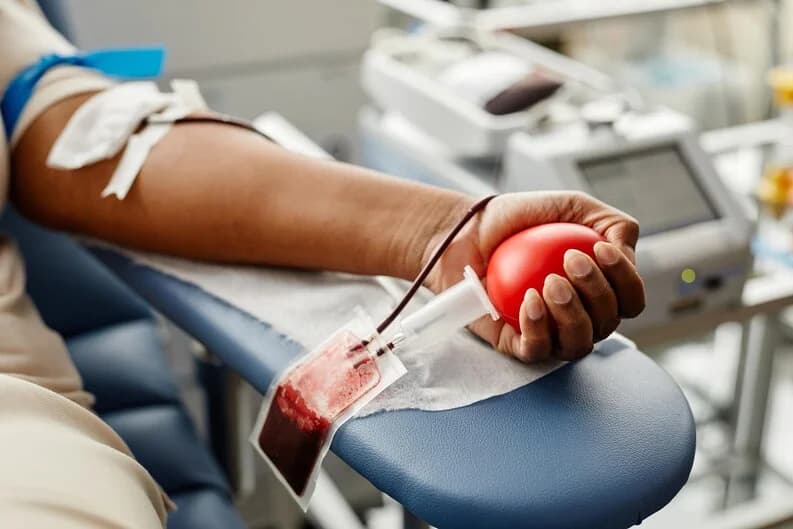
Ghana is grappling with a critical blood shortage that continues to threaten patient safety and emergency response across the country. Current data reveals that the nation collects only 6.6 units of blood per 1,000 people, a figure significantly below the World Health Organization’s (WHO) minimum recommendation of 10 units. This shortfall creates a precarious environment for healthcare providers, particularly in life-threatening situations where immediate access to blood is the difference between life and death. Despite the establishment of the National Blood Service under the 2020 Blood Service Act, the system remains heavily dependent on a reactive model rather than a proactive, sustainable supply chain.
A primary driver of this crisis is the overreliance on family replacement donors, where relatives are forced to donate blood only when a loved one is in immediate need. This system often fails during emergencies when time is of the essence and suitable family matches are unavailable. Furthermore, the country faces significant geographical disparities in blood access; while central blood banks in major urban areas hold the majority of stocks, rural and remote regions suffer from inadequate infrastructure and logistical hurdles. Regulatory gaps also persist, making it difficult to maintain consistent safety and quality standards across the entire national supply chain.
Public health experts and authorities are now calling for a paradigm shift toward voluntary non-remunerated blood donation. It is estimated that if just one percent of Ghana’s eligible population committed to regular voluntary donations, the national shortage could be significantly alleviated. While the 2020 legislative framework provided a foundation for better coordination and safety, the system’s ultimate success depends on active citizen participation. Without a robust culture of voluntary giving, the gaps in Ghana’s lifesaving system will continue to pose ongoing risks to the population, leaving the most vulnerable patients in jeopardy during medical crises.
This story touches markets covered on Anansi Intelligence ↗.
More from health
Continue exploring similar stories


