••
Ghana’s Sports Landscape Advances: Black Maidens Target World Cup, Para-Athletes Eye 2028, and Infrastructure Reforms Gain Momentum
•3 min read•24 sources
Ghana’s sporting sector is experiencing a surge in activity as the nation prepares for critical international assignments and long-term development reforms. The U-17 women’s national team, the Black Maidens, is at the forefront of this momentum as they prepare for their FIFA U-17 Women’s World Cup qualifying matches against Liberia. The first leg is scheduled for May 23, 2026, at the Accra Sports Stadium, with the return leg on May 30 in Liberia. The Ministry of Gender, Children and Social Protection, led by Dr. Agnes Naa Momo Lartey, has thrown its full weight behind the team, describing the players as symbols of empowerment and resilience for young girls across the country. This governmental support underscores a broader commitment to utilizing sports as a tool for social development and gender equity.
Simultaneously, Ghana is making significant strides in para-sports and international talent exports. The National Paralympic Committee (NPC) of Ghana has launched its qualification campaign for the 2028 Summer Paralympics, with the national Para Powerlifting Team heading to the African Open Championships in Algeria from May 21-24, 2026. Sponsored by NPC President Samson Deen, the team—featuring Tahiru Haruna, Isaac Obeng, and Isaac Nii Ayitey Tagoe—aims to build a winning culture through international exposure. Meanwhile, individual Ghanaian talents continue to shine abroad; midfielder Linda Owusu Ansah has secured a two-year deal with Canadian side AFC Toronto following her success with Ampem Darkoa Ladies, and teenage sensation Peter Baah Jnr has been recognized as one of Florida’s top 10 strikers while playing for Montverde Academy.
To sustain this growth, the National Sports Authority (NSA) is advocating for a radical shift in how sports are funded and managed domestically. Acting Director-General Yaw Ampofo-Ankrah has emphasized the transformative potential of the Ghana Sports Fund, suggesting it could overhaul the nation's crumbling infrastructure within five to ten years if managed effectively. Ampofo-Ankrah’s "grassroots to GDP" vision calls for a structured investment in youth and community sports, citing Morocco’s successful model as a blueprint for turning sports into a viable economic pillar. He argues that stable financing and strategic planning are essential to meet the demands of Ghana’s growing youth population and to position the country as a future host for major international events.
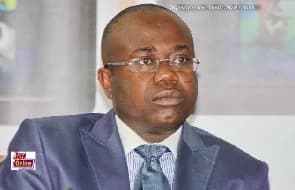
Beyond competition and economics, the leadership of Ghana’s football community is focusing on the social impact of the sport. Current GFA President Kurt Okraku and former President Kwesi Nyantakyi recently led an outreach program at the Nsawam Medium Security Prison, donating sports equipment and food to support the rehabilitation of inmates. By using football as a vehicle for hope and community engagement, the initiative highlights the multifaceted role sports play in Ghanaian society. Whether through high-stakes World Cup qualifiers or prison outreach, the current trajectory of Ghanaian sports reflects a blend of international ambition and a deep-seated commitment to social and structural progress.
This story touches markets covered on Anansi Intelligence ↗.
More from sports
Continue exploring similar stories


