••
Ghana Armed Forces Reach Milestone on Accra–Kumasi Expressway Amidst Capital Fire Recovery and Sanitation Bottlenecks
•3 min read•4 sources
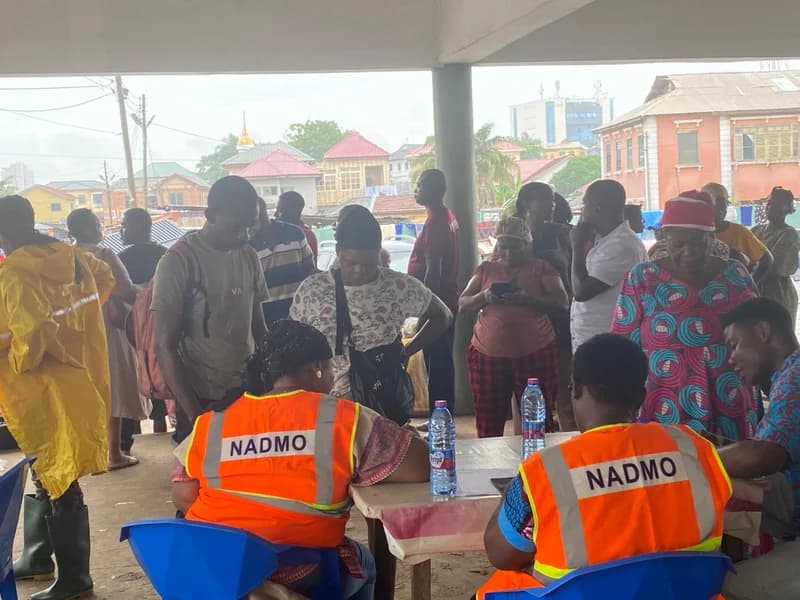
The Ghana Armed Forces (GAF) has achieved a significant milestone in national infrastructure development, successfully clearing over 50 percent of the corridor for the Accra–Kumasi Expressway. As of June 25, 2026, military teams have cleared 89.5 kilometers of the 175.6-kilometer route, representing 50.9 percent of the total right of way required for the project. This progress comes just nine weeks into a projected 20-week timeline, indicating that the project is well ahead of schedule. The clearing works, which span a width of 120 meters, are a critical precursor to full-scale construction of the expressway aimed at easing congestion and enhancing economic trade between Ghana’s two largest cities. Project Coordinator Colonel Alex Twumasi highlighted the efficiency of the military team, noting that the rapid pace of the corridor clearing is essential for meeting government priorities. Once completed, the expressway is expected to drastically reduce travel time and improve the safety of goods and passengers moving between the Greater Accra and Ashanti regions. However, while transport infrastructure sees rapid advancement, the capital city continues to grapple with significant humanitarian and logistical challenges, ranging from fire disasters to sanitation bottlenecks. In the Odawna area of Accra, the National Disaster Management Organisation (NADMO) has been working following a devastating fire at the Rubber Market on June 29, 2026. As of the second day of a specialized registration exercise, NADMO recorded 1,401 victims whose livelihoods were razed by the blaze. The disaster was complicated by heavy rainfall and subsequent flooding, which initially hindered the Ghana National Fire Service’s access to the site. NADMO officials emphasized that the ongoing registration is a vital step toward verifying data and ensuring that affected merchants receive appropriate state support and relief. Simultaneously, the Achimota Zoompak Waste Transfer Station has become a flashpoint for Accra’s sanitation crisis. Over 700 refuse-laden tricycles are currently queuing for hours daily to dispose of waste, creating a massive logjam nearly two weeks after operations began to address the city’s refuse issues. Engineer Derrick Mintah, an official at the facility, has called for urgent government intervention, citing high operational costs and the closure of other transfer stations as the primary drivers of the congestion. The facility is struggling to manage the volume of waste being funneled into a single point, threatening the efficiency of waste collection across the metropolis. These parallel developments underscore a complex period for Ghana’s domestic agenda. While the GAF’s progress on the Accra–Kumasi Expressway demonstrates the state’s capacity for large-scale infrastructure execution, the events at Odawna and Achimota highlight persistent vulnerabilities in urban disaster management and sanitation infrastructure. Moving forward, the government faces the dual challenge of sustaining momentum on strategic transport projects while providing immediate relief to fire victims and resolving the systemic pressures on the capital’s waste management systems.


