••
Ghana Intensifies Fight Against Air Pollution and Hidden Radon Gas Threats to Public Health
•2 min read•8 sources
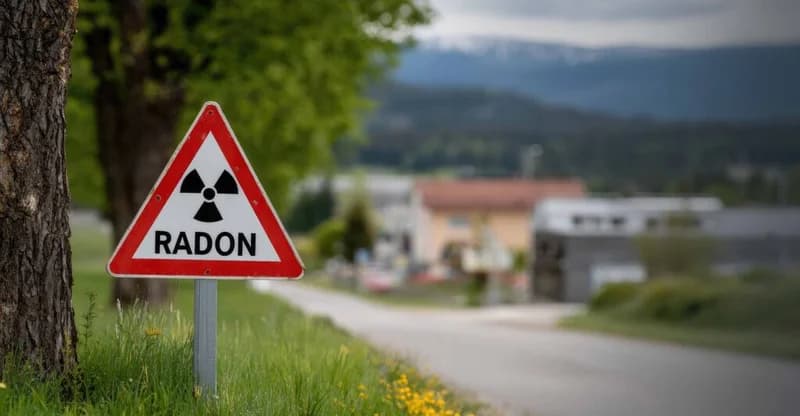
Ghana is facing a significant public health challenge as experts raise alarms over the dual threat of ambient air pollution and the hidden dangers of radon gas. The Environmental Protection Authority (EPA) has recently partnered with Columbia University’s Lamont-Doherty Earth Observatory to implement a nationwide air quality monitoring initiative. This collaboration utilizes the GRASP dataset, which integrates NASA satellite data with ground-level sensors to track PM2.5 levels from 2005 to the present. The urgency of this project is underscored by staggering statistics: air pollution is responsible for approximately 32,000 deaths annually in Ghana and costs the national economy about $2.5 billion each year. Despite previous efforts, such as the now-scrapped emissions levy, urban centers like Accra continue to record pollution levels that far exceed World Health Organization (WHO) safety guidelines.
While industrial and vehicular emissions remain a visible concern, researchers from the Ghana Atomic Energy Commission (GAEC) are simultaneously warning of a more insidious threat: radon gas. This invisible, odorless, and radioactive pollutant is a leading cause of lung cancer, particularly among non-smokers. Radon seeps from the ground into homes and buildings through cracks in foundations and poorly ventilated spaces. Scientists have identified a clear correlation between high radon concentrations and geological fault lines, with preliminary mapping showing elevated risks in areas such as Weija, McCarthy Hill, and Kasoa. The WHO warns that indoor levels exceeding 100 becquerels per cubic metre are hazardous, yet many Ghanaian households remain unaware of their exposure levels in these seismic-prone regions.
To combat these environmental hazards, experts are calling for a combination of policy reform and individual action. On the national level, the new EPA data tools are expected to empower policymakers to move beyond ineffective levies toward more foundational measures, such as restricting the importation of high-polluting vehicles and subsidizing cleaner cooking fuels. Regarding the radon threat, GAEC scientists emphasize the importance of public awareness and preventive construction techniques. Recommended mitigation strategies include testing soil before construction, sealing cracks in existing floors and walls, and ensuring adequate ventilation to prevent gas buildup. As Ghana continues to industrialize and urbanize, these integrated efforts to monitor and mitigate both visible and hidden pollutants are vital to safeguarding the long-term health of the population.
This story touches markets covered on Anansi Intelligence ↗.
More from health
Continue exploring similar stories


