••
Air Pollution Becomes Ghana's Second-Leading Cause of Death as EPA and DVLA Launch Crackdown on Smoky Vehicles
•2 min read•5 sources
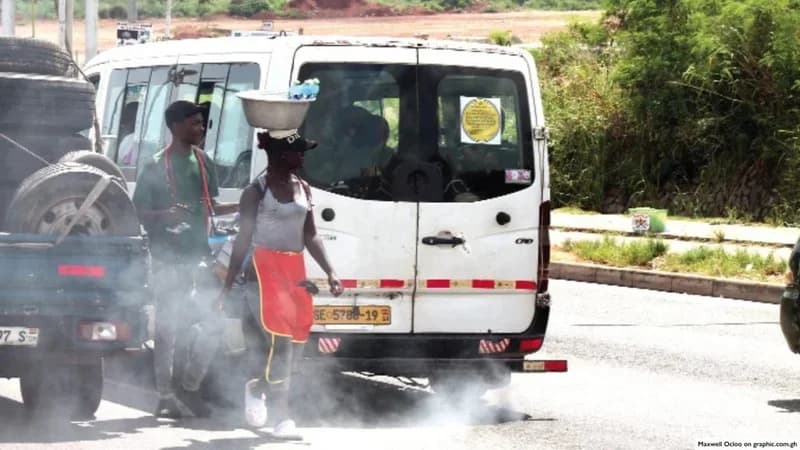
Air pollution has surged to become the second-leading risk factor for death in Ghana, trailing only high blood pressure. According to recent data from the World Health Organization (WHO), UNICEF, and the State of Global Air report, air pollution now accounts for approximately 28,000 to 32,000 deaths annually, representing 14% of the nation's total mortality. The crisis is particularly severe in urban centers; in the Greater Accra Metropolitan Area alone, particulate matter pollution (PM2.5) is responsible for an estimated 2,800 deaths each year. These alarming statistics underscore a growing public health emergency that affects both the working class and the nation's youth.
The health implications of poor air quality are devastating and far-reaching. In 2023, approximately 5,900 children under the age of 20 died from air pollution-related causes. Beyond pediatric risks, contaminated air is a major driver of non-communicable diseases among adults, contributing to 39% of all stroke-related deaths in Ghana, as well as increased rates of lung cancer and chronic respiratory infections. Health experts emphasize that the invisible nature of particulate matter allows it to penetrate deep into the lungs and bloodstream, causing systemic damage that often goes unnoticed until it becomes fatal.
The primary contributor to this environmental hazard is Ghana's ageing transportation sector. The Environmental Protection Agency (EPA) indicates that over 95% of the 3.2 million vehicles currently operating in the country are classified as old and high-polluting. Despite Ghana's international commitments to climate action, critics point to a significant gap in domestic policy. While the Ghana Standard Authority and the EPA have established emissions standards, the lack of a comprehensive national strategy and rigorous enforcement has allowed the vehicle fleet to remain a primary source of toxic fumes.
In a direct move to address this, the EPA and the Driver and Vehicle Licensing Authority (DVLA) have announced an intensified enforcement campaign to remove "rickety" and smoky vehicles from the roads. Under this new directive, vehicles that fail emissions assessments will be denied roadworthy certificates, and drivers of non-compliant vehicles will face legal action. This regulatory shift is being supported by grassroots initiatives like the Presbyterian Church of Ghana’s "Red Sunday Campaign," which seeks to raise ecological awareness. By combining stricter licensing requirements with community-led environmental advocacy, authorities hope to reduce the mortality rate linked to the air Ghanaians breathe every day.
This story touches markets covered on Anansi Intelligence ↗.
More from health
Continue exploring similar stories


