••
Ghana Scales Digital Education Through Strategic Partnerships with Intel, Microsoft, and UNESCO
•3 min read•3 sources
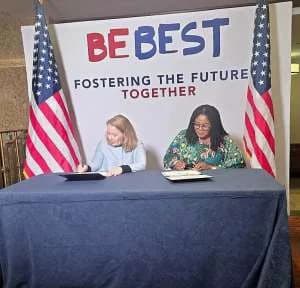
Ghana is making a significant push to integrate Artificial Intelligence (AI) and digital literacy into its national education framework through a series of high-level international partnerships. Central to this strategy are two major initiatives: an agreement with Intel Corporation to expand AI education in K-12 classrooms and a massive collaboration between the Ghana Technical and Vocational Education and Training (TVET) Service, UNESCO, KPMG, and Microsoft to train 100,000 facilitators. These efforts, occurring under the administration of President John Mahama, signal a comprehensive move toward future-proofing the Ghanaian workforce and ensuring students are prepared for a global digital economy.
The partnership with Intel, formalized during an event in New York, focuses on the "AI for Youth Programme." Representing First Lady H.E. Lordina Dramani Mahama, Dr. Agnes Naa Momo Lartey signed the agreement, which aligns with the global "Fostering the Future Together" campaign. This initiative is heavily supported by the Lordina Foundation, with a specific focus on empowering the girl-child and ensuring younger students gain the skills to navigate AI safely. By targeting K-12 classrooms, the government and its private sector partners aim to promote responsible technology use while simultaneously addressing online risks for children.
Complementing the K-12 rollout, the "AI EmpowerED" initiative marks a significant milestone for the vocational sector. Through a strategic alliance with Microsoft, KPMG, and UNESCO, the Ghana TVET Service intends to equip at least 100,000 facilitators with advanced digital skills and AI proficiency. This program is designed to integrate digital innovation directly into the TVET curriculum, ensuring that technical training remains relevant to the evolving demands of the modern labor market. The focus of this initiative is on driving institutional readiness and preparing educators to lead the charge in digital innovation and youth employment.
Supporting these pedagogical shifts is the continued expansion of physical infrastructure, championed by organizations like the Helping Africa Foundation (HAF). Celebrating its 10th anniversary, the foundation has called for a nationwide rollout of its Nyamransa Model ICT Lab, which has already established 19 laboratories across Ghana, Liberia, and The Gambia. The Ministry of Education has expressed strong support for scaling this model, which has proven effective in increasing youth engagement in technology and providing the necessary hardware to support digital learning in underserved communities.
These multifaceted collaborations represent a holistic approach to national development, bridging the gap between traditional schooling and the requirements of the Fourth Industrial Revolution. By addressing the K-12, TVET, and community-based infrastructure levels simultaneously, Ghana is positioning itself as a regional leader in digital literacy. The long-term success of these programs will depend on sustained coordination between the Ministry of Education, international organizations, and the private sector to ensure that the benefits of the AI revolution reach every Ghanaian student.
Related topic
John Mahama: Latest News & Updates →

