••
Ghana’s Agricultural Sector Eyes Industrial Growth Through Agro-processing, International Partnerships, and Gender Inclusion
•2 min read•4 sources
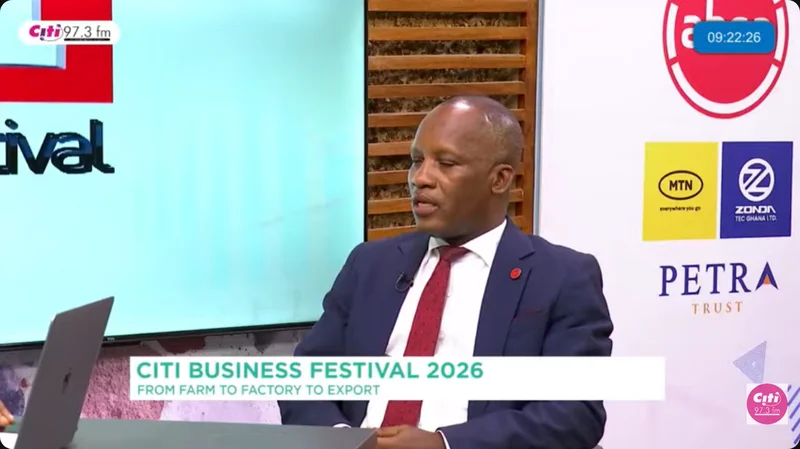
Ghana’s agricultural landscape is undergoing a strategic shift toward industrialization and value addition, as industry leaders and policymakers call for a move away from the export of raw commodities. Speaking at the Citi Business Festival, William Nettey, Head of Agribusiness at Absa Bank Ghana, emphasized that the nation continues to lose significant revenue by exporting raw cocoa and cashew. He advocated for a robust agro-processing framework, noting that processed cashews can command prices three to six times higher than raw exports. This push for modernization is further mirrored in international efforts, such as President John Dramani Mahama’s advocacy for a strategic partnership with Belarus to leverage their expertise in agricultural mechanization and technology transfer, which is seen as vital for Ghana’s food security and industrial growth.
Central to this economic transformation is the empowerment of women, who are increasingly recognized as the backbone of the agricultural sector. At the inaugural "She Grows Conference 2026" in Pong-Tamale, over 500 stakeholders gathered under the theme "Her Hands, Our Harvest – The Future is Fertile." Organized by MP Hajia Fatahiya Abdul Aziz, the conference called for a shift in perception, viewing women not merely as subsistence farmers but as digital entrepreneurs and innovators. By investing in women-led agribusinesses, proponents argue that Ghana can achieve more sustainable development and ensure that the benefits of agricultural growth are distributed across all levels of society.
Complementing these structural changes are significant cultural and seasonal drivers that stimulate the local economy. The annual celebration of Eid-ul-Adha serves as a prime example, acting as a catalyst for growth in the livestock, retail, transport, and hospitality sectors. Beyond its religious and spiritual significance, the festival fosters a unique economic environment characterized by high commodity demand and charitable giving. By integrating these diverse elements—from high-tech international partnerships and value-added exports to gender-inclusive investments and culturally driven market spikes—Ghana is positioned to build a more resilient and inclusive national economy that maximizes its rich agricultural potential.
This story touches markets covered on Anansi Intelligence ↗.
More from business
Continue exploring similar stories


