••
Ghana Intensifies AfCFTA Readiness as Industry Leaders Call for Policy Consistency to Drive Industrial Growth
•3 min read•13 sources
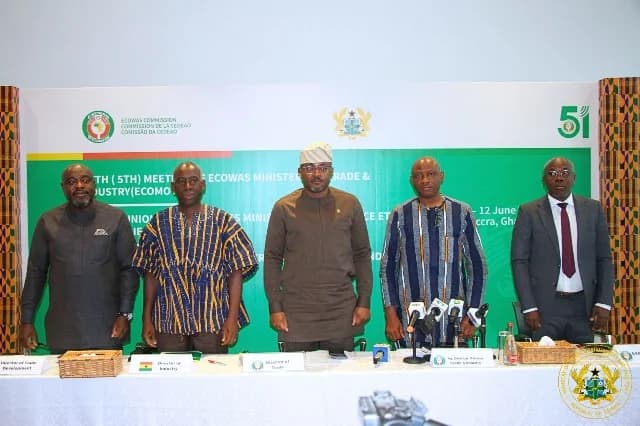
Ghana is positioning itself as a central hub for the African Continental Free Trade Area (AfCFTA) through a series of high-level strategic engagements and institutional capacity-building initiatives. During the 2026 Citi Business Festival, stakeholders from government, industry, and the private sector convened to explore how local businesses can unlock opportunities within Africa’s single market of 1.4 billion consumers. While the mood remains optimistic, industry leaders have voiced critical concerns regarding the structural barriers that could impede progress. Mark Badu Aboagye, CEO of the Ghana National Chamber of Commerce and Industry (GNCCI), emphasized that the lack of continuity in industrial policy remains a primary obstacle. He argued that frequent changes in government often lead to the abandonment of previous industrial frameworks, forcing the country to remain reliant on raw material exports rather than developing high-value manufacturing capabilities. Parallel to these policy discussions, the Ghanaian government and the GNCCI have significantly scaled up support for Small and Medium-Sized Enterprises (SMEs). Benjamin Asiam, Acting Head of the National Coordination Office at the Ministry of Trade, Agribusiness, and Industry, revealed that over 1,000 Ghanaian SMEs have already been screened and equipped to capitalize on intra-African trade. Furthermore, the GNCCI, with support from TradeMark Africa, has launched an export readiness package targeting women and youth-owned businesses. This effort follows a massive sensitization drive that reached approximately 1,500 exporters in 2023, focusing on trade protocols and the elimination of non-tariff barriers that historically hindered regional expansion. Financial institutions are also aligning their strategies to support this economic transition. Emmanuel Mensah, Head of Trade and Working Capital at Absa Bank Ghana, reaffirmed the banking sector's commitment to financing viable businesses with sustainable operational plans. However, growth is not without domestic challenges; stakeholders in the poultry industry have recently raised alarms over cheap imports that threaten local production. Deputy Minister for Food and Agriculture John Setor Dumelo acknowledged these concerns, noting that governmental strategies are being refined to reduce import dependence and ensure fair competition for local farmers. Looking ahead, Ghana is set to host the Fifth Meeting of ECOWAS Ministers of Trade and Industry (ECOMOTI-5) in Accra on June 11-12, 2026. This regional summit will address the evolving global trade landscape, focusing on the outcomes of the 14th WTO Ministerial Conference and the continued implementation of AfCFTA. As the country prepares to host its West African neighbors, the focus remains on shifting from mere awareness of trade agreements to the execution of actionable strategies that will foster long-term, sustainable economic integration across the continent.
This story touches markets covered on Anansi Intelligence ↗.
More from business
Continue exploring similar stories


