••
Health Advocates Urge Government to Establish Community Autism Units and Combat Disability Stigma
•3 min read•9 sources
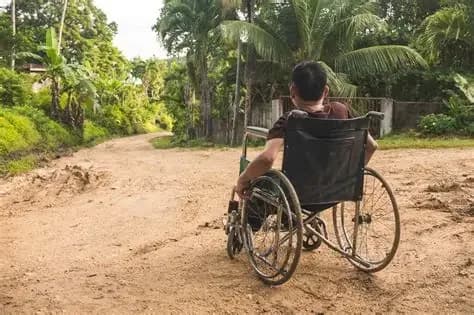
Health advocates and non-governmental organisations in Ghana are calling for a systemic overhaul in how the nation supports individuals with disabilities, specifically those on the autism spectrum. Leading these calls are the Autism Awareness Care and Training Centre (AACTC) and the Inclusive Family Alliance, both of which emphasise that institutional support and a shift in societal attitudes are essential for the inclusion and well-being of Persons with Disabilities (PWDs). These appeals highlight a critical gap in the current healthcare framework, where families across the country, particularly in rural areas, face significant financial and social hurdles in accessing specialized care.
Mr. Abeiku Grant, the Head of Programmes at the AACTC, has specifically urged the government to establish dedicated autism units within local communities. During recent advocacy efforts marking the centre's 28 years of operation, Mr. Grant highlighted the scarcity of care facilities which forces many parents to travel long distances, creating an unsustainable financial burden. Alongside AACTC Coordinator Joseph Larmie, Grant argued that autism should never be viewed as a limitation. They cited figures such as Albert Einstein, Wolfgang Amadeus Mozart, and Elon Musk as examples of individuals who achieved greatness when provided with the right support and exposure. Currently, the AACTC trains 22 learners daily, but advocates insist that state-led community units are necessary to reach those currently underserved.
Complementing the call for better infrastructure is a urgent push to dismantle the deep-seated cultural barriers that hinder the progress of PWDs. Mrs. Hannah Awadzi, Founder and Executive Director of the Inclusive Family Alliance, has called on Ghanaians to end the superstitions and stigma that frequently lead to the discrimination and social exclusion of disabled individuals. She pointed out that harmful beliefs linking disability to "bad omens" or "curses" remain prevalent and must be addressed through education. Mrs. Awadzi stressed that disability is not a curse and can affect anyone at any time, asserting that a truly progressive society is defined by its ability to implement supportive systems and programs for all citizens.
Both organisations emphasise that the responsibility for creating an inclusive environment is shared by the government and the general public. While the AACTC focuses on the need for practical training and community units, the Inclusive Family Alliance is working to foster positive perceptions and provide a support network for families to seek help without fear of judgment. The advocates agree that for Ghana to achieve true social inclusion, the government must move beyond rhetoric to implement meaningful policy reforms and provide the necessary funding for community-based health interventions that treat disability as a matter of human rights and national development.
This story touches markets covered on Anansi Intelligence ↗.
More from health
Continue exploring similar stories


