••
Ghana Activates National Ebola Response Plan as Outbreaks Surge in DRC and Uganda
•3 min read•9 sources
Ghana has intensified its public health surveillance and border security measures following a significant rise in Ebola cases across the Democratic Republic of Congo (DRC) and Uganda. Dr. Franklin Asiedu-Bekoe of the Ghana Health Service (GHS) announced the activation of a national response plan, which includes enhanced laboratory testing, clinical case management, and the distribution of updated case definitions to health facilities nationwide. Although Ghana has reported no confirmed cases of the virus to date, the World Health Organization (WHO) has declared the current situation a Public Health Emergency of International Concern. This urgency is compounded by the fact that the outbreaks involve the Bundibugyo strain of the virus, for which there are currently no approved vaccines or treatments.
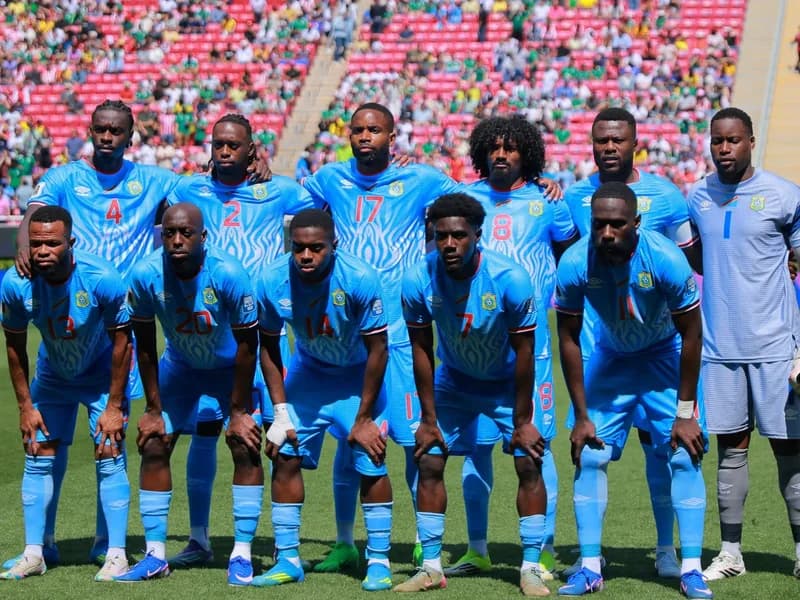
In the DRC, the situation remains volatile, with official reports indicating approximately 381 confirmed cases and 64 deaths, while Uganda has recorded 15 confirmed cases and one fatality. The US Centers for Disease Control and Prevention (CDC) has issued a stern warning that without robust intervention, the outbreak could mirror the scale of the 2014 West Africa crisis, with models suggesting a 65% chance of exceeding 20,000 cases within three months. International concern has already impacted global events; notably, a pre-World Cup friendly match between the DRC and Chile in Spain was cancelled after local health authorities cited public health risks and the need for strict 21-day isolation periods for travelers from affected zones.
Efforts to contain the virus in Central Africa face severe logistical and social hurdles. In the DRC’s South Kivu province, a burial team was recently attacked by residents in Katana, highlighting persistent community mistrust and resistance to official health protocols. Such incidents, combined with ongoing regional conflict, have hindered contact tracing efforts, which currently stand at only 45% in some affected areas. WHO Director-General Dr. Tedros Adhanom Ghebreyesus has emphasized that while the global risk remains low, the local risk is very high, necessitating improved community engagement to facilitate safe burials and effective monitoring.
To safeguard its borders, the Ghanaian government is investing in health infrastructure upgrades at key entry points, including Aflao and Kotoka International Airport. Deputy Minister Dr. Grace Ayensu-Danquah highlighted that these upgrades will address gaps in personnel, logistics, and medical supplies to bolster rapid response capabilities. Currently, Ghana has three specialized laboratories equipped to confirm Ebola infections, and the Ghana Infectious Disease Centre is on standby to manage suspected cases. Public health officials continue to urge vigilance among travelers and healthcare workers, balancing the need for strict screening with the WHO’s recommendation against blanket travel bans that could disrupt essential supply chains.
This story touches markets covered on Anansi Intelligence ↗.
More from health
Continue exploring similar stories


