••
Ghana Activates Emergency Protocols as Ebola Outbreak in DR Congo Reaches Alarming Levels
•3 min read•10 sources
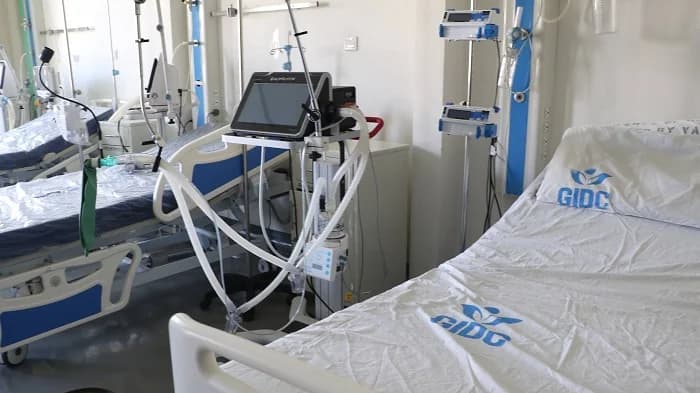
Ghana has declared a national red alert and activated stringent emergency health protocols following the rapid spread of the Bundibugyo Ebola strain in the Democratic Republic of Congo (DRC). The World Health Organization (WHO) has designated this specific outbreak as a Public Health Emergency of International Concern, prompting regional neighbors to bolster their defenses. While no cases have been confirmed in Ghana, Health Minister Kwabena Mintah Akandoh has moved to secure the country’s borders and health facilities to prevent an incursion of the virus, which is currently causing significant fatalities in Central Africa.
The situation in the DRC is described as "deeply alarming" by Médecins Sans Frontières (MSF), with over 1,077 suspected cases and at least 246 deaths reported since the outbreak began in mid-May. WHO Director-General Dr. Tedros Adhanom Ghebreyesus recently visited the epicenter in Bunia, Ituri province, to oversee containment efforts and inaugurate a new treatment center. The response in the DRC is severely complicated by ongoing conflict and insecurity caused by local militias, which hinders humanitarian aid and testing. Unlike more common strains, the Bundibugyo variant currently lacks a proven vaccine, though health officials are optimistic that a candidate might be available by the end of the year.
In response to the regional threat, Minister Akandoh conducted a comprehensive operational tour of Ghana’s critical infrastructure, including the Kotoka International Airport and the Noguchi Memorial Institute for Medical Research. The Ministry has mandated enhanced passenger screening and the distribution of Personal Protective Equipment (PPE) to frontline workers across all 16 regions. Dr. Fiona Braka of the WHO emphasized that swift action in border control is essential, noting that neighboring Uganda has already closed its border with the DRC. In Ghana, the Noguchi Memorial Institute is prepared for rapid Ebola testing to ensure any potential case is identified and isolated immediately.
Beyond clinical readiness, the Ghanaian government is reintroducing strict public health mandates to bolster preparedness. Minister Akandoh has directed that no mass gatherings take place without adequate hand-washing stations and has urged the public to adhere to rigorous hygiene practices. Health officials emphasize that community cooperation is the most effective tool in preventing the spread of the virus, which is transmitted through direct contact with infected bodily fluids. As the international community works to contain the crisis in the DRC, Ghana remains in a state of high preparedness, balancing the need for public vigilance with the maintenance of regional stability.
This story touches markets covered on Anansi Intelligence ↗.
More from health
Continue exploring similar stories


