••
Samuel Okudzeto Ablakwa Leads Diplomatic Push for Thomas Partey Visa as Ghana Navigates Shifting Global Human Rights and Migration Policies
•3 min read•24 sources
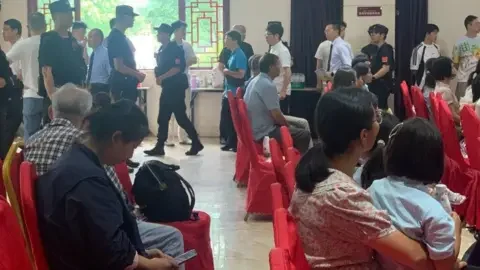
The Ghanaian government has entered a high-stakes diplomatic race against time to secure a Canadian visa for Black Stars midfielder Thomas Partey ahead of the 2026 FIFA World Cup. Foreign Affairs Minister Samuel Okudzeto Ablakwa is leading intense lobbying efforts with Canadian officials, including Minister for Global Affairs Anita Anand, to overturn a denial based on pending criminal charges in the UK. Ablakwa has characterized the refusal as a violation of the presumption of innocence, emphasizing Partey’s critical role as Deputy Captain and a national representative. President Mahama is reportedly monitoring the situation closely as the Ministry of Foreign Affairs explores all legitimate channels—including high-level diplomatic appeals—to resolve the impasse before Ghana's opening match against Panama.
This assertive diplomatic stance coincides with Ghana's broader push for international justice, most notably in its pursuit of a United Nations resolution recognizing the transatlantic slave trade as a crime. While Ghana seeks formal apologies and reparations, some European leaders have responded with threats; UK House of Lords member Daniel Hannan suggested treating such demands as "hostile acts" warranting sanctions. Despite these coercive tones, Ghana remains firm in its quest for reparatory justice. Simultaneously, Ghanaian representation is expanding in the media sphere, as journalist Maltiti Sayida Sadick participates in a prestigious German exchange program. Her work in Berlin focuses on religious freedom and the integration of Muslim life, highlighting the importance of inclusion in public life and the diverse voices necessary for social cohesion.
However, the global landscape for human rights and free expression remains fraught with challenges. In Mozambique’s Cabo Delgado region, the disappearance of journalist Arlindo Chissale after reporting on electoral fraud has sparked international concern over press intimidation. This pattern of suppression mirrors recent events in China, where authorities detained leaders and congregants of the Early Rain Covenant church during a raid on an unregistered service. Furthermore, the United States has faced criticism for the controversial deportation of an Iranian pro-democracy activist to the Central African Republic, a move legal experts describe as "super dangerous" due to the activist's lack of local ties and the risk of eventual repatriation to Iran. In the United States, even the cultural sphere has become a political battleground, as artist Ariana Grande recently demanded the White House cease using her music in promotional videos for immigration policies she deemed "barbaric."
These individual cases reflect a broader international trend toward more restrictive state policies and regulatory shifts. In the United Kingdom, Prime Minister Keir Starmer has announced landmark legislation to ban children under 16 from social media, citing the psychological harms and addictive designs of major platforms. This move toward digital protectionism is echoed in Mauritania’s intensified migration crackdown and South Africa’s struggle with anti-immigrant sentiment, which experts warn undermines economic recovery by targeting migrant entrepreneurs. As nations grapple with the tension between individual ambition and collective responsibility—a theme explored by Ing. Professor Douglas Boateng—the current global political climate suggests a shift toward tighter borders, stricter digital regulations, and a renewed emphasis on state sovereignty and national identity.
This story touches markets covered on Anansi Intelligence ↗.
Related topic
John Mahama: Latest News & Updates →More from politics
Continue exploring similar stories


