••
Government Boosts Free Primary Health Care with GH¢443 Million Investment Amid Transparency Demands for Agenda 111
•3 min read•2 sources
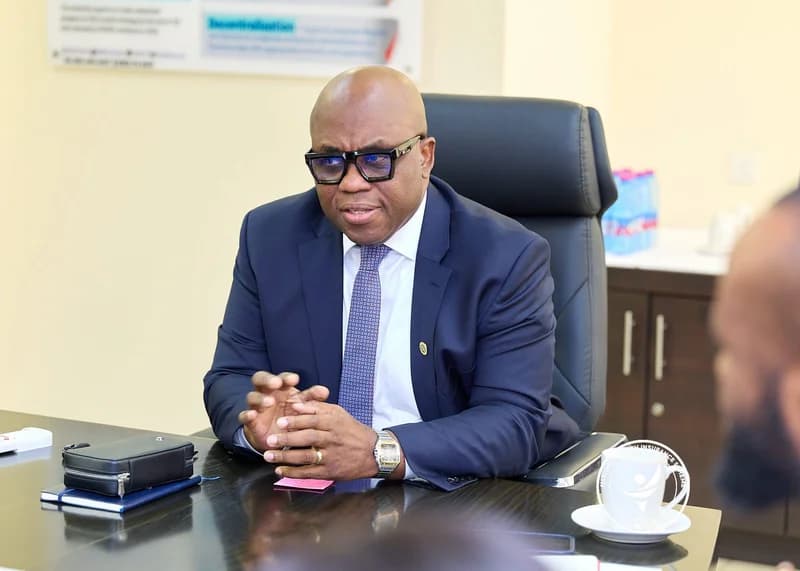
The Ghanaian government has announced a significant financial injection of GH¢443 million aimed at bolstering the Free Primary Health Care (FPHC) programme, even as civil society groups demand greater transparency regarding the country's broader health infrastructure projects. This substantial investment is designed to enhance medical facilities across the nation, ensuring that primary healthcare services remain accessible and efficient for all citizens. The move signals a dual focus by the administration on both immediate service delivery and the long-term modernization of the health sector's financial and physical infrastructure.
Out of the total allocation, GH¢36 million has been specifically earmarked for 107 district health facilities to improve their service delivery capabilities. The Upper East Region is set to receive GH¢4.2 million of these funds, benefiting 14 facilities. Dr. Asare Bampoe has highlighted that a direct payment model is being adopted to streamline fund disbursement, effectively bypassing traditional bureaucratic bottlenecks that have historically delayed critical healthcare funding at the local level. By ensuring funds reach the facilities directly, the government aims to maintain a consistent supply of medical essentials and operational support.
In tandem with these facility upgrades, the government is modernizing the National Health Insurance Scheme (NHIS) to enhance financial accountability and user experience. Key initiatives include the rollout of a cashless payment system for NHIS registration and renewals, alongside a One-Time Authentication Code (OTAC) system for claim validation. These digital reforms are intended to eliminate manual errors and financial leakages, ensuring that health insurance resources are utilized solely for patient care and provider reimbursement. These steps mark a significant shift toward a more robust and transparent health financing ecosystem in Ghana.
While the government focuses on primary care funding, the Right Accountability Network Africa (RANA) is turning its attention to the transparency of large-scale hospital projects. RANA has officially filed a Right to Information (RTI) request with the Ministry of Health, seeking comprehensive details on proposed private-sector partnerships for the Agenda 111 hospital initiative. The network is requesting information regarding financial and operational arrangements, the identities of interested private entities, and official contractual documents. RANA expects a response within the 14-day statutory period, emphasizing the public's right to know how these significant infrastructure projects are being managed and funded.
These dual developments—the massive investment in primary care and the push for oversight in infrastructure—underscore the complexities of managing Ghana’s healthcare sector. As the Ministry of Health prepares its response to RANA, the focus remains on whether these public investments and private partnerships will successfully bridge the gap in healthcare access. The outcome of these initiatives will likely define the progress of the current government's commitment to achieving Universal Health Coverage and establishing a resilient healthcare system for all Ghanaians.
This story touches markets covered on Anansi Intelligence ↗.
More from health
Continue exploring similar stories


