••
Parliament Approves $300 Million IDA Loan to Upgrade Secondary School Infrastructure and Reform Curriculum
•2 min read•6 sources
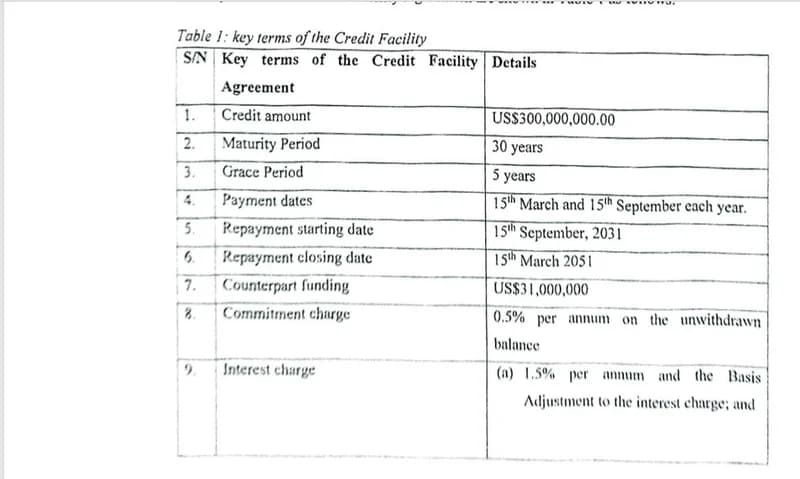
Ghana's Parliament has sanctioned a US$300 million credit facility from the World Bank’s International Development Association (IDA) to support the Secondary Education Transformation for Access, Relevance and Results for Jobs (STARR-J) Project. This significant financial injection is aimed at transforming the country's secondary education landscape by addressing infrastructure deficits and improving the quality of teaching. The initiative is part of a broader government strategy to upgrade schools from lower-tier performance categories (Grade C) to higher standards (Grade A and B), ensuring more equitable access to quality education across the nation.
The bulk of the loan, approximately US$257.7 million (86%), is specifically earmarked for physical infrastructure development. This includes the construction of 10 new secondary schools in underserved areas and the comprehensive rehabilitation of 150 existing institutions. These upgrades are intended to mitigate the challenges of overcrowding and resource shortages that have intensified under the Free Senior High School (FSHS) policy. The remaining US$33.8 million will be dedicated to soft-side interventions, including teacher training and curriculum reforms designed to align secondary schooling with the evolving needs of the labor market.
During the parliamentary deliberations, the Majority leadership emphasized that the facility is crucial for the success of ongoing educational reforms. The Minister of Education provided assurances that the implementation of the project would strictly adhere to value-for-money principles to ensure the efficient use of the funds. The government maintains that this investment is vital for fostering a better learning environment and providing students with the skills necessary for national development.
However, the approval was met with concerns from the Minority Caucus, who questioned the linkage between the loan and the funding of the Free Senior High School policy. Opposition members suggested that the facility might be used to address operational shortfalls of the FSHS program, citing previous loan facilities used for post-pandemic support. Despite these reservations, the project is set to move forward, with the long-term goal of improving educational outcomes and ensuring that secondary education serves as an effective bridge to employment and higher learning for all Ghanaian students.
This story touches markets covered on Anansi Intelligence ↗.
More from education
Continue exploring similar stories


