••
Ghana Advances Agricultural Transformation with $3.5 Billion AgriConnect Compact and Strategic Global Partnerships
•2 min read•2 sources
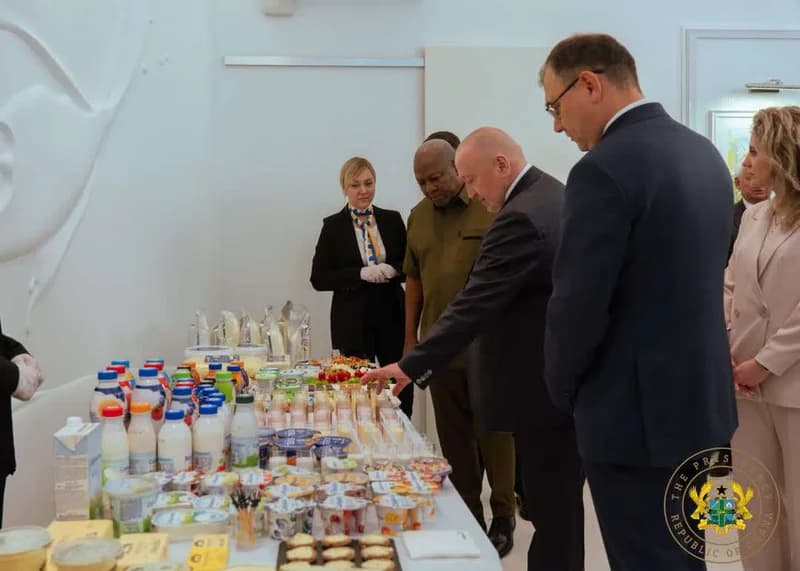
The Government of Ghana, in partnership with the World Bank Group and various development partners, has officially launched the AgriConnect Compact, a landmark initiative designed to revolutionize the nation’s agricultural sector. This ambitious program seeks to strengthen food security, catalyze job creation, and mobilize significant private and public investment. With a projected financing requirement of approximately US$3.5 billion, the initial phase of the compact, spanning 2026 to 2030, is expected to support nearly 3 million people and generate over 2.6 million jobs by 2035. The initiative targets critical value chains, including cocoa, oil palm, rice, maize, and poultry, focusing on modernization through irrigation, mechanization, and advanced agro-processing.
Complementing these domestic efforts, high-level diplomatic engagements are being leveraged to bring international expertise to Ghana’s agro-industrial landscape. During a recent visit to Belarus, President John Dramani Mahama explored advanced agricultural hubs in the city of Brest, focusing specifically on dairy production technologies and large-scale commercial farming models. The visit underscores Ghana's commitment to transitioning from subsistence farming to a robust commercial agricultural system that utilizes modern processing techniques to significantly reduce post-harvest losses. By inviting Belarusian investors to collaborate with local businesses, the leadership aims to foster bilateral trade and technological exchange that will benefit Ghana's dairy and processing sectors.
These combined domestic and international strategies represent a unified push toward a more resilient and prosperous agricultural economy. The AgriConnect Compact serves as the structural framework for this growth, fostering collaboration between government agencies, agribusinesses, and farmer organizations. By integrating high-tech solutions from international partners like Belarus with the institutional support of the World Bank, Ghana is positioning itself to become a regional leader in food production. The focus on resilience and market access ensures that the agricultural sector will not only feed the nation but also serve as a primary engine for economic stability and rural development in the coming decade.
This story touches markets covered on Anansi Intelligence ↗.
More from business
Continue exploring similar stories


