••
GCB Bank and Municipal Assemblies Launch Empowerment Initiatives for Traders and Persons with Disabilities
•2 min read•4 sources
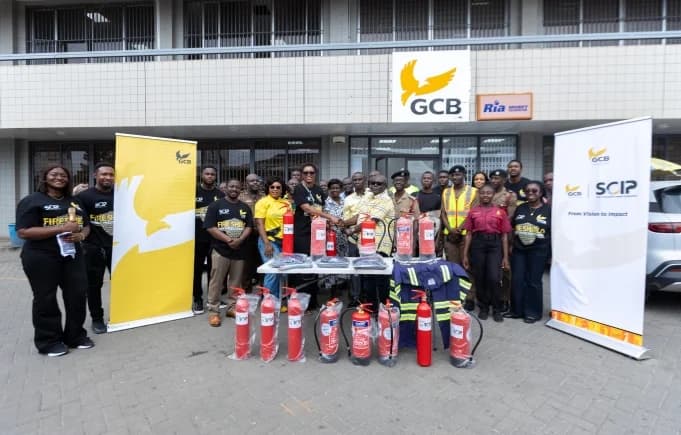
Local economic empowerment and community safety have taken center stage across Ghana as corporate and municipal leaders roll out targeted support systems. From GCB Bank's fire prevention training in Accra's busiest commercial hubs to local government interventions in the Ashanti and Upper East regions, these initiatives aim to protect livelihoods and boost productivity. These efforts represent a collaborative push between the private sector and local authorities to address pressing social and economic challenges facing traders and vulnerable populations.
In Accra, GCB Bank PLC partnered with the Ghana National Fire Service (GNFS) to conduct intensive fire prevention and emergency response training for traders in Circle, Okaishie, and Kantamanto. This initiative, part of GCB’s 2026 Staff Community Impact Programme (SCIP), included the distribution of fire extinguishers and the appointment of 20 "Market Fire Safety Champions." GCB officials emphasized that the project is vital for protecting businesses in areas historically prone to devastating market fires. The GNFS lauded the partnership, noting that the ongoing vigilance of traders is essential for preventing future tragedies.
Economic support has also been extended to the Ashanti Region, where the Municipal Chief Executive (MCE) of Asokwa, Amoh Kamel, distributed equipment and financial aid totaling GH₵262,712.00 to 47 Persons with Disabilities (PWDs). The goal of the disbursement is to enable beneficiaries to engage in income-generating activities that contribute to the local economy. Gifty Afi Wetsi, Chairperson of the Disability Fund Management Committee, urged the beneficiaries to strive for financial independence, while the Department of Social Welfare confirmed it would monitor the usage of the tools to ensure they meet their intended development goals.
Similarly, in Navrongo, the Municipal Assembly addressed critical hygiene needs by inaugurating a new sanitation facility at the Temporary New Market at COS Park. MCE Faustina Abulu handed over the newly constructed urinal and toilet block to local traders, emphasizing that clean and accessible facilities are fundamental to a healthy working environment. By encouraging traders to take ownership of the facility's maintenance, the Assembly aims to foster a culture of collective responsibility. Collectively, these diverse interventions across the country highlight a growing trend toward grassroots-level support aimed at creating more resilient and self-sufficient local communities.
Related topic
Ghana Fire Service Recruitment: Latest News Today →
