••
GARP experts urge safety measures against non-ionising radiation
•2 min read•1 source
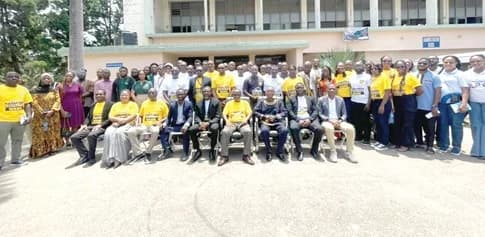
Experts at a symposium in Accra organized by the Ghana Association for Radiation Protection (GARP) have called on employers to implement rigorous safety measures against non-ionising radiation. This includes protecting workers from prolonged exposure to heat and light emitted by various electronic devices and industrial equipment. The warning highlights that while non-ionising radiation is often overlooked compared to its ionising counterpart, excessive exposure poses significant health risks to the skin and eyes.
The symposium emphasized that sources of non-ionising radiation are ubiquitous in modern work environments, ranging from mobile phones to high-powered lasers. Experts cautioned that ignoring the cumulative effects of these emissions could lead to long-term physical damage. They specifically urged employers to identify the radiation types associated with their specific machinery and to establish safety protocols tailored to those unique risks.
Beyond corporate responsibility, the experts stressed the role of individual workers in maintaining safety. Employees are encouraged to strictly adhere to established safety instructions and consistently use appropriate protective gear provided by their organizations. This collaborative approach between employers and staff is seen as essential for mitigating the health hazards associated with modern communication and industrial technologies.
The event saw collaboration between several key national bodies, including the Radiation Protection Institute (RPI), the Ghana Investment Fund for Electronic Communications (GIFEC), the National Communications Authority (NCA), and the Nuclear Regulatory Authority (NRA). Looking forward, the GARP has announced plans for initiatives aimed at mapping radiation levels across various communities. These projects will include assessing exposure to electromagnetic fields to ensure that public health standards keep pace with technological advancement.
