••
G7 Leaders Mobilize Global Support and Financial Aid to Contain Resurgent Ebola Outbreak in DR Congo
•2 min read•9 sources
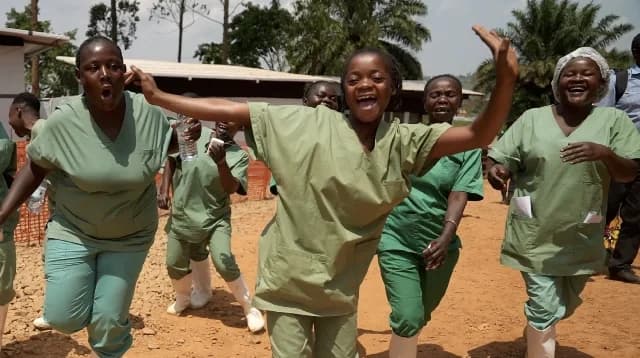
In a significant diplomatic push to address an escalating public health crisis, leaders from the G7 nations and international partners have issued an urgent appeal for a unified global strategy to combat a re-emerging Ebola outbreak in the Democratic Republic of the Congo (DRC). Since the outbreak began in May 2026 in the remote and conflict-affected Ituri Province, the virus has claimed 192 lives in the DRC and two in neighboring Uganda. The call for action, joined by representatives from Egypt, India, Kenya, and South Korea, underscores the heightened risk of international spread, particularly as global travel increases ahead of major international events like the World Cup.
The international community has backed this appeal with substantial financial commitments aimed at immediate emergency relief and long-term health resilience. The United States has pledged over $500 million to support response efforts, while the European Union has committed nearly €493 million in emergency aid and vaccine distribution. These funds are designated for critical interventions, including robust contact tracing, quarantine protocols, and the deployment of medical resources to isolated areas where the healthcare infrastructure is currently insufficient. G7 leaders emphasized that the response must be synchronized to ensure safety across borders while addressing the root causes of public health vulnerabilities in the region.
Containment efforts face significant hurdles, primarily due to the region's instability and the prevalence of misinformation. Health officials have noted that local myths have occasionally fueled mistrust of medical workers, sometimes leading to violence against treatment centers. However, there are signs of progress; the recovery of patients such as Daniel Kitambala in Mongbwalu has provided rare moments of hope and served to gradually improve community attitudes toward seeking professional care. Medical experts continue to work alongside community leaders to educate the public on symptoms and the importance of prompt treatment, even as healthcare professionals themselves face high risks of infection.
Looking forward, the global response strategy prioritizes African-led initiatives and the development of sustainable local health infrastructure to foster regional security. This includes advancing vaccine candidates, such as those developed by Oxford University and Moderna, which have been moving through clinical trials to provide better medical countermeasures against strains like Ebola Bundibugyo. As the G20 Foreign Ministers prepare to discuss further coordinated actions, the G7 has stressed that long-term success depends on a combination of immediate humanitarian aid, regional peace, and a commitment to strengthening health systems against future outbreaks.
This story touches markets covered on Anansi Intelligence ↗.
More from health
Continue exploring similar stories


