••
French Customs Seize $261 Million Cocaine Shipment Originating from Ghana in Massive Narcotics Bust
•2 min read•10 sources
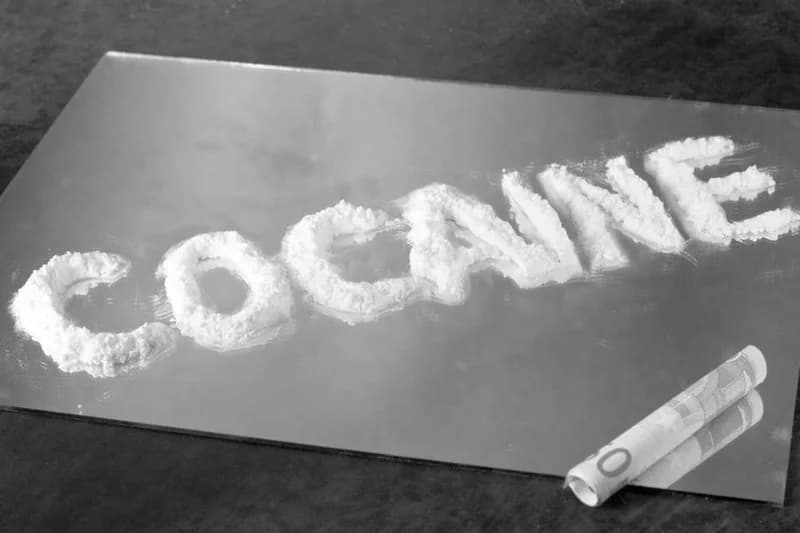
French customs officials have intercepted one of the largest narcotics shipments linked to Ghana in recent years, seizing nearly 3.9 metric tonnes of cocaine at the port of Dunkirk. The illicit cargo, valued at approximately –225 million (US$261.45 million), was discovered concealed within a shipping container of plastic waste. According to reports from the French organized crime prosecutor’s office, the vessel had originated in Ghana and was partially destined for Antwerp, Belgium. The seizure, which took place on September 10, 2026, represents a significant victory for European law enforcement in the ongoing battle against international drug trafficking.
The operation was the result of a targeted investigation into a suspected criminal network involved in organized narcotics importation. Upon discovery, the cocaine was immediately confiscated and destroyed by authorities. French judicial police have since opened a formal investigation into the associated criminal associations, with the importation of organized narcotics carrying a potential penalty of up to 10 years in prison. This enforcement action highlights the scale of the challenge; in 2025 alone, French customs confiscated a total of 108.81 tonnes of various narcotics with a market value of approximately –2.197 billion.
In a separate but notable enforcement action, authorities at Dublin Airport uncovered an increasingly creative smuggling method, seizing approximately five kilograms of cocaine hidden inside bags of lollipops. The discovery, made by revenue officers and garda during a passenger baggage search, led to the recovery of drugs valued at –500,000. Subsequent follow-up searches yielded an additional –16,000 in cash and other controlled substances worth –14,500. A man in his 60s was arrested and charged in connection with the Dublin incident, appearing in court shortly thereafter.
These high-profile seizures underscore the persistent use of both massive commercial shipments and clever individual concealment techniques to move illicit substances across borders. As investigations continue into the criminal networks behind the shipment from Ghana, international law enforcement agencies are expected to intensify cooperation to dismantle the supply chains linking West African ports to European hubs. The focus remains on improving scanning technologies and intelligence sharing to prevent legitimate trade routes, such as plastic waste recycling, from being exploited by organized crime syndicates.
